Why Are Homes in Texas So Cheap?
The idea of affordable housing can seem like a distant dream for many Americans. In bustling coastal cities, the dream of homeownership often comes with a staggering price tag. Yet, one state consistently stands out for its more accessible real-estate market: Texas. The question on many minds is, “Why are homes in Texas so cheap?” While “cheap” is a relative term, the data shows that housing in the Lone Star State is significantly more affordable than in many other parts of the country.
This affordability isn’t a random occurrence. It’s the result of a unique combination of factors, from vast open landscapes and business-friendly policies to a robust construction industry. Understanding these elements provides a clear picture of the Texas real estate market and reveals why so many people are flocking to the state to put down roots. We will explore the key drivers behind the low home prices in Texas, giving you a comprehensive look at what makes this market so attractive.
The Foundation of Affordability: Abundant and Inexpensive Land

One of the most fundamental reasons for affordable housing in Texas is the sheer amount of available land. As the second-largest state in the U.S. by area, Texas has vast stretches of undeveloped territory, which keeps the raw cost of land relatively low compared to more densely populated states.
Geography and Urban Sprawl
Unlike states hemmed in by oceans or mountains, Texas has ample room to grow. Major metropolitan areas like Houston, Dallas-Fort Worth, and San Antonio are famous for their outward expansion, often referred to as urban sprawl. This continuous outward growth allows developers to acquire large, affordable tracts of land on the outskirts of cities.
When developers can purchase land for less, those savings are passed on to the homebuyer. Building a new subdivision 20 or 30 miles from a city center is much more cost-effective in Texas than trying to find a small, expensive plot of land in a geographically constrained area like the San Francisco Bay Area or the suburbs of New York City. This sprawl creates a constant supply of new, affordable housing options, preventing the extreme price inflation seen in markets with limited space.
Lenient Zoning Laws
Another critical piece of the land puzzle is Texas’s approach to zoning regulations. Many cities across the state, with Houston being the most prominent example, have famously lenient land-use laws. Houston is the largest city in the United States without formal zoning codes. Instead, development is guided by ordinances and deed restrictions, which provides much greater flexibility.
This regulatory environment makes it easier and faster for developers to get projects off the ground. They face fewer bureaucratic hurdles, less red tape, and shorter approval times. This efficiency reduces development costs, such as holding costs and administrative fees, which ultimately contributes to lower final home prices. The ability to build what the market demands, where it’s needed, without lengthy and expensive zoning battles is a cornerstone of the affordable Texas real estate market.
A Pro Business Economy and Its Impact on Housing
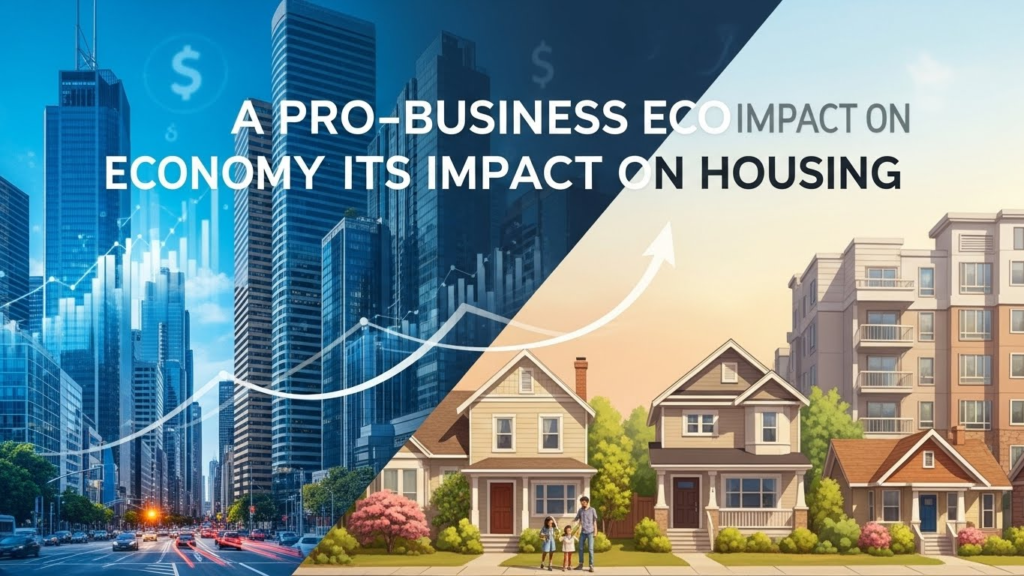
The economic policies in Texas create a favorable environment not just for corporations, but for the entire housing ecosystem. The state’s pro-business stance directly and indirectly helps maintain low home prices.
The Absence of State Income Tax
Texas is one of the few states with no state income tax. This is a massive draw for both individuals and businesses. For residents, it means more disposable income, which can be put toward a down payment or monthly mortgage payments. This financial freedom increases the pool of potential buyers and stimulates housing demand in a healthy way.
For businesses, the lack of a corporate or individual income tax makes Texas an attractive place to relocate or expand. This has led to a massive influx of companies over the past few decades, bringing jobs and economic growth. This job growth fuels the demand for housing, and the state’s construction industry has risen to meet that demand, preventing the supply-and-demand imbalances that drive up prices elsewhere.
The Role of Property Taxes
While Texas has no income tax, it does have relatively high property taxes. This might seem counterintuitive to affordability, but it plays a role in keeping the initial purchase price of homes down. Higher annual taxes can be a deterrent for some buyers, which helps temper speculative buying and rapid price appreciation.
Homeowners and lawmakers are aware of the burden of property taxes, and there is ongoing political pressure to keep them in check. The system encourages a balanced market where the upfront cost of a home remains accessible, even if the ongoing carrying costs are a significant consideration for homeowners. The overall cost of living, which remains lower than in many other states, helps offset the higher property tax burden.
The Power of a Competitive Construction Industry

A key ingredient in the recipe for affordable housing in Texas is a highly efficient and competitive construction sector. The state is a powerhouse of residential construction, consistently leading the nation in the number of new homes built each year.
A Robust Labor Market
Texas has a large and readily available construction labor force. This availability of skilled and unskilled labor helps keep construction wages competitive, which is a major component of a home’s final price. Favorable immigration patterns and state-level workforce development programs ensure that there are enough workers to meet the high demand for new construction.
When developers can hire crews at a reasonable cost, it directly translates into more affordable homes for consumers. This contrasts sharply with states where labor shortages and high union wages drive up construction costs significantly.
Cost of Building Materials
The central location of Texas and its excellent transportation infrastructure, including major ports and interstate highways, make it easier and cheaper to source building materials. Proximity to lumber production in the South and manufacturing centers for other components helps reduce transportation costs.
Furthermore, the sheer volume of construction in Texas allows builders to purchase materials in bulk, securing discounts that smaller markets cannot match. These economies of scale are a powerful force in keeping the price of a new single-family home in Texas lower than the national average.
Understanding the Texas Real Estate Market Dynamics
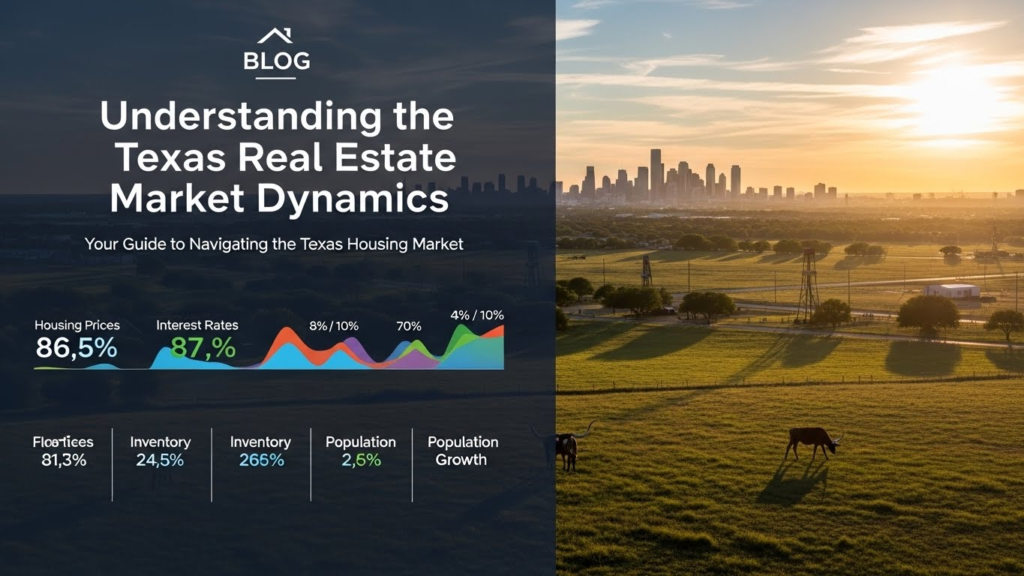
The interplay of supply and demand in the Texas real estate market is unique. While demand is high due to population and job growth, the supply side of the equation has been able to keep pace, preventing the runaway price escalations seen in other hot markets.
Meeting High Demand with High Supply
For decades, Texas has been one of the fastest-growing states in the country. People are drawn by jobs, a lower cost of living, and a desirable lifestyle. This massive influx of new residents creates a constant and high demand for housing.
Normally, such high demand would lead to skyrocketing prices. However, as we’ve discussed, the Texas housing market is exceptionally elastic. The availability of land and the efficiency of the construction industry allow developers to respond quickly to demand by building more homes. This constant stream of new inventory helps satisfy the demand and keeps prices stable. Whether it’s master-planned communities in the suburbs or new apartment complexes in the urban core, the market adapts by building.
The Variety of Housing Stock
The Texas real estate market offers a wide variety of housing types at different price points. While the state is known for its large single-family homes, there are also abundant options for townhouses, condos, and apartments. This diversity ensures that there are housing options for people at various income levels and life stages.
In major cities, there has been a push for denser housing developments to accommodate growth and provide more affordable options closer to job centers. This balanced approach to development—allowing both outward sprawl and upward density—is crucial for maintaining overall market affordability.
The Cost of Living Advantage
Finally, the overall low cost of living in Texas makes housing feel even more affordable. While housing is a major expense, other daily costs also impact a household’s budget.
Lower Everyday Expenses
Beyond the mortgage, Texans generally pay less for goods and services. Expenses like gasoline, groceries, and utilities are often below the national average. This is partly due to the state’s vast natural resources, including oil and natural gas, which help keep energy costs down.
When your monthly budget isn’t stretched thin by other high costs, you have more financial breathing room. This makes affording a mortgage payment more manageable and contributes to the overall perception and reality of Texas being an affordable place to live.
A Cycle of Affordability
These factors create a self-reinforcing cycle. Affordable land and low-cost construction lead to affordable homes. Affordable homes and a low cost of living attract more people and businesses. This growth fuels a robust economy and creates jobs, which in turn sustains the demand for more housing, prompting the efficient construction industry to build more affordable homes. It’s a dynamic that has defined the Texas real estate market for decades.
Is Texas Poised to Remain Affordable?
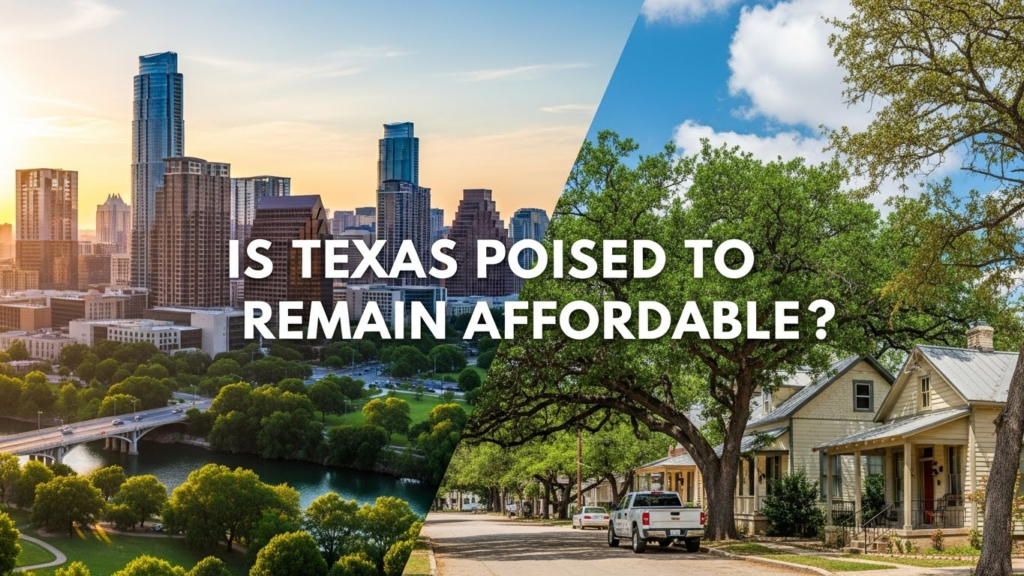
While Texas has a long history of housing affordability, the recent surge in demand has started to put upward pressure on prices. The secret is out, and the influx of new residents from more expensive states has led to increased competition and rising home values, particularly in desirable areas like Austin.
However, the fundamental factors that have kept Texas affordable are still in place. The state still has plenty of land, a pro-business regulatory environment, and a construction industry that knows how to build quickly and cost-effectively. While the days of rock-bottom prices may be fading in some hot spots, the Texas real estate market is structurally positioned to remain more affordable than its coastal counterparts for the foreseeable future.
For anyone looking to achieve the dream of homeownership without breaking the bank, Texas continues to offer a compelling proposition. The combination of economic opportunity and affordable living makes it a destination worth exploring.
Ready to learn more about the opportunities in the Lone Star State? Explore current listings and discover how the Texas real estate market can work for you.