What Does It Mean When a Home Is Under Contract?
You found the perfect house. It has the right number of bedrooms, a beautiful backyard, and it’s in your dream neighborhood. But then you see those dreaded words on the listing: “Under Contract.” Does this mean the door is shut tight, or is there still a glimmer of hope?
Navigating real estate listings can feel like learning a new language. Terms like “pending,” “contingent,” and “under contract” often get tossed around interchangeably, but they have distinct meanings that matter to your home search.
This guide will break down exactly what “under contract” means, what happens during this crucial phase, and whether you can still make a move on a home that is technically off the market.
What Does “Under Contract” Actually Mean?
When a home is listed as “under contract,” it means that a buyer has made an offer on the property, and the seller has accepted it. Both parties have signed a legally binding purchase agreement. However, the deal isn’t done yet. The sale is not final until the closing date, when the deed is transferred and money changes hands.
Think of it as being engaged but not yet married. The intention is there, the paperwork has started, but you haven’t walked down the aisle.
The period between the contract signing and the closing table is known as the “contract period” or “escrow.” During this time, specific conditions—called contingencies—must be met for the sale to proceed. If these conditions aren’t met, the deal can fall apart, and the home could go back on the market.
The Difference Between “Under Contract,” “Pending,” and “Contingent”

While you search for homes, you will see various statuses. Here is a quick breakdown of how they differ:
- Active: The house is available, and the seller is accepting offers.
- Contingent: An offer has been accepted, but certain contingencies (like an inspection or financing) must be cleared before the deal is solid. The listing is still technically active in many MLS systems, and sellers may accept backup offers.
- Under Contract: Similar to contingent, but often indicates that the process is further along. Showings might stop, though this varies by local market rules.
- Pending: All contingencies have likely been met or waived. The deal is very close to closing, and the home is effectively off the market.
- Sold: The closing process is complete, and ownership has transferred.
The Real Estate Contract Process: Step-by-Step
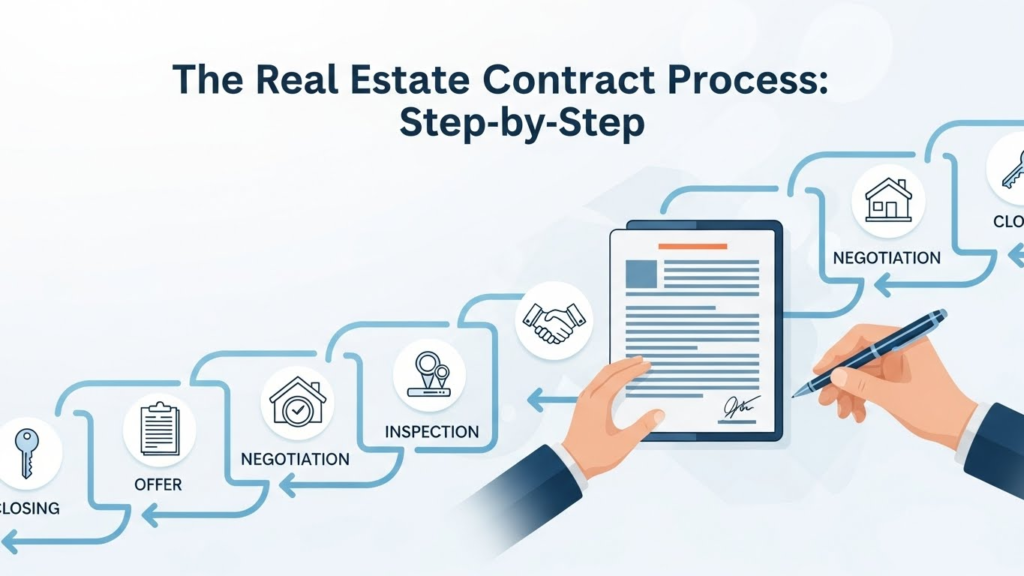
Understanding the real estate contract process helps clarify why a home might sit in “under contract” status for 30 to 60 days. This isn’t just a waiting game; it’s a period of intense due diligence.
1. Offer and Acceptance
The journey begins when a buyer submits a formal offer. The seller can accept, reject, or counter. Once both parties agree on price and terms, they sign the purchase agreement. At this exact moment, the home status changes to “under contract.”
2. Earnest Money Deposit
To prove they are serious, the buyer deposits “earnest money” into an escrow account. This is usually 1% to 3% of the purchase price. If the buyer walks away for a reason not covered by a contingency, they could lose this money.
3. The Contingency Period
This is the most critical phase. The contract will specify a timeline for inspections, appraisals, and financing approval. This is where most deals that fail will fall apart.
4. Appraisal and Underwriting
The buyer’s lender will order an appraisal to ensure the home is worth the loan amount. Simultaneously, the lender’s underwriters will scrutinize the buyer’s finances to issue final loan approval.
5. Clearing Title
A title company researches the property’s history to ensure there are no liens, unpaid taxes, or ownership disputes that could prevent the sale.
6. Closing
Once all conditions are met, everyone meets to sign the final documents. The buyer gets the keys, and the seller gets paid.
Common Contingencies in a Home Contract
A “home under contract meaning” is heavily tied to contingencies. These are “escape clauses” that allow a buyer to back out of the contract without penalty if specific issues arise.
Inspection Contingency
This is standard in almost every contract. It gives the buyer the right to have a professional home inspector examine the property. If the inspector finds major issues—like a cracked foundation, mold, or old wiring—the buyer can:
- Ask the seller to make repairs.
- Ask for a credit to cover the cost of repairs.
- Cancel the contract and get their earnest money back.
Financing Contingency
Even with a pre-approval letter, a loan isn’t guaranteed. If the buyer’s financial situation changes (like losing a job) or the bank denies the mortgage for any reason, the financing contingency protects the buyer from being forced to buy a house they can’t afford.
Appraisal Contingency
Lenders won’t lend more money than a house is worth. If the agreed purchase price is $400,000 but the appraisal comes in at $380,000, there is a “appraisal gap.”
- The seller can lower the price.
- The buyer can pay the difference in cash.
- If they can’t agree, the contract can be terminated.
Home Sale Contingency
This is common for buyers who are upgrading. It states that they will only buy the new house if they can successfully sell their current house first. This is riskier for sellers because it depends on a third party (the buyer’s buyer).
Can You Make an Offer on a Home Under Contract?
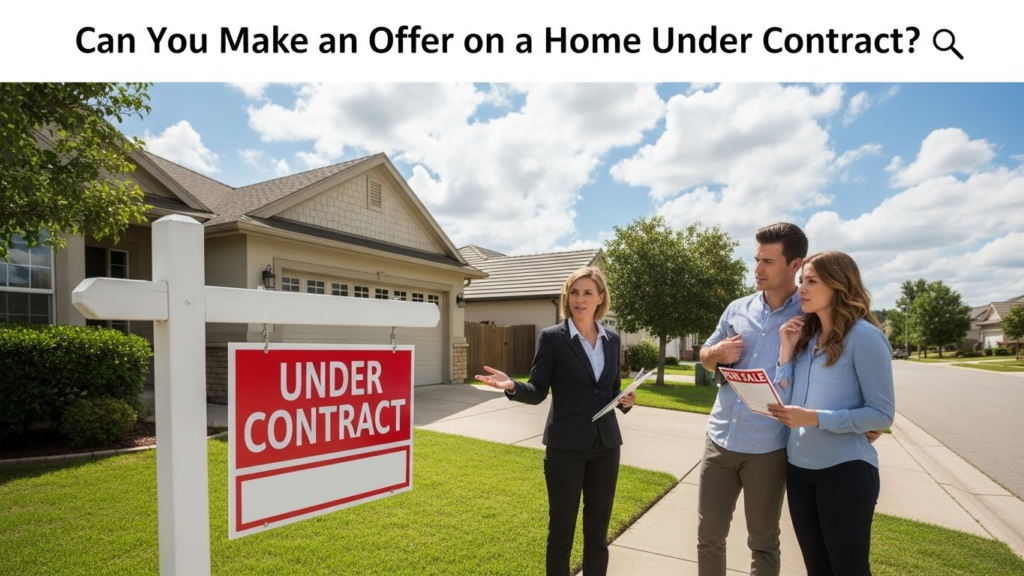
This is the big question for many hopeful homebuyers. The short answer is: Yes, usually.
Just because a home is under contract doesn’t mean it’s sold. Deals fall through all the time. In fact, estimates suggest that anywhere from 4% to 10% of pending home sales fail.
However, whether your offer will be considered depends on the specific terms of the existing contract and the seller’s motivation.
Accepting Backup Offers
Sellers often accept “backup offers” precisely because they know deals can fail. A backup offer secures your spot as the next in line. If the first buyer walks away during the inspection or financing period, the backup offer automatically becomes the primary offer.
Why submit a backup offer?
- You skip the bidding war: If the first deal crashes, the house doesn’t go back on the open market. You are already there.
- It shows serious intent: It tells the seller you truly want the home, which can be persuasive.
The downside:
- You are tied up: While waiting to see if the first deal fails, you might miss out on other active listings.
- Market changes: If the first deal drags on for weeks and then closes, you’ve lost valuable time.
When Sellers Can’t Accept New Offers
Sometimes, the contract prohibits the seller from soliciting or accepting other offers once the initial agreement is signed. This is less common but possible. Your real estate agent can check the MLS remarks or call the listing agent to see if they are open to backups.
Why Do Deals Fall Through?
Understanding why a house goes from “under contract” back to “active” can help you spot opportunities.
1. Inspection Nightmares
This is the most common deal-killer. Significant structural damage, roof issues, or environmental hazards can scare off buyers or cost too much to fix.
2. Financing Failure
Buyer finances are fragile. A buyer might buy a new car before closing, ruining their debt-to-income ratio, or interest rates might jump, making the monthly payment unaffordable.
3. Low Appraisal
In hot markets, bidding wars drive prices up. If the appraisal doesn’t match the inflated price, and neither side will budge, the deal dies.
4. Cold Feet
Sometimes, buyers simply change their minds. They might lose their earnest money, but they can still walk away.
5. Title Issues
If a long-lost heir claims ownership or there is an unpaid contractor lien on the house, the title company cannot insure the sale, stopping it in its tracks.
What Happens When a House Is Under Contract: For Sellers
If you are the seller, the “under contract” phase is a mix of relief and anxiety. You have a buyer, but you haven’t crossed the finish line.
Your Responsibilities:
- Cooperate with Inspectors: You must allow inspectors and appraisers access to your home.
- Negotiate Repairs: Be prepared for a second round of negotiations after the inspection report comes back.
- Keep the Utilities On: You generally must keep utilities active until the closing day for final walkthroughs.
- Pack Up: You need to be completely moved out by the time the buyer takes possession (usually closing day).
Can a Seller Back Out?
It is much harder for a seller to back out than a buyer. Generally, if the buyer meets all their obligations, the seller is legally required to sell. A seller usually cannot cancel just because they got a higher offer later. Doing so could lead to a lawsuit for “specific performance,” forcing the sale to go through.
What Happens When a House Is Under Contract: For Buyers
For buyers, this is a busy time. You cannot just sit back and wait for the keys.
Your To-Do List:
- Deliver Earnest Money: Do this immediately, usually within 24-48 hours.
- Schedule Inspections: Don’t delay. You have a limited window (often 7-10 days) to complete inspections.
- Submit Loan Documents: Respond to your lender’s requests instantly. Delays on your end can delay closing.
- Review HOA Documents: If the home is in a Homeowners Association, read the rules carefully to ensure you can live with them.
- Secure Insurance: You must have a homeowner’s insurance policy ready to go before closing.
Under Contract vs. Sold: The Final Verdict
It is crucial to internalize the distinction: Under contract vs sold.
- Under Contract: A promise to transfer ownership, contingent on rules. The sign in the yard might say “Sold” or “Sale Pending,” but legal ownership remains with the seller.
- Sold: The deed has been recorded with the county, and the title has officially transferred. The transaction is public record.
Until the status officially flips to “Sold,” the game is technically still in play, even if the odds are slim for other buyers.
How to Check the Status of a Home
If you see a home you love online, look closely at the status field.
- Zillow/Redfin/Realtor.com: Look for tags like “Under Contract,” “Pending,” or “Contingent.”
- Ask an Agent: Online portals can be slow to update. A real estate agent has access to the MLS (Multiple Listing Service), which provides real-time data. They can tell you if a “contingent” home is still showing or if the seller has a “kick-out clause” (allowing them to kick out the current buyer for a better offer).
Tips for Buyers Looking at Under Contract Homes
If you have fallen in love with a house that is already spoken for, don’t despair immediately. Follow these strategies:
- Have Your Agent Call: Your agent should contact the listing agent to ask, “How solid is the current contract?” Listing agents will often hint if the financing looks shaky or if negotiations are getting tense.
- Submit a Backup Offer: As mentioned, this puts you first in line if things go south.
- Stay in Touch: Even if you don’t submit a formal backup, have your agent check in weekly. If the deal falls through, you want to be the first call the listing agent makes before they even update the MLS.
- Look for “Kick-Out” Clauses: In some contingent contracts (usually where the buyer has to sell their own home), the seller keeps the right to market the property. If you come along with a non-contingent offer, the seller can force the first buyer to either perform immediately or step aside.
Frequently Asked Questions (FAQ)
Can a seller accept a higher offer while under contract?
Generally, no. Once the contract is signed, the seller is bound to that specific buyer. They can only accept a new offer if the current contract is legally terminated (e.g., the buyer fails to perform).
Does “under contract” mean the house is sold?
No. It means the process to sell is underway. The house is only “sold” after closing.
Can I view a house that is under contract?
It depends. If the status is “Active Under Contract” or “Contingent,” sellers often allow showings to secure backup offers. If it is “Pending,” showings usually stop.
How long does a house stay under contract?
The average time is 30 to 45 days, though cash deals can close in as little as two weeks, and complex loans might take 60 days or more.
Do “under contract” listings show up in search results?
Yes, most real estate websites include them unless you filter your search to show only “Active” listings. It is important to adjust your filters so you don’t get your hopes up on unavailable homes.
Conclusion
Seeing “under contract” on a dream home listing can be disheartening, but understanding the nuance of the term empowers you. It signals that a home is spoken for, but not yet gone. The real estate market is fluid, and until the keys are handed over, anything can happen.
Whether you are a seller navigating the closing process or a buyer hoping for a second chance at a property, knowledge is your best asset. The contract phase is complex, filled with legal hurdles and strict timelines.
Don’t navigate this intricate process alone. If you have questions about specific listings or need help crafting a strategy for backup offers, consult a qualified real estate professional today. They can guide you through the maze of “pending,” “contingent,” and “under contract” to help you find your way home.
Meta Title: What Does Under Contract Mean? Real Estate Status Explained
Meta Description: Wondering what does it mean when a home is under contract? Learn the difference between under contract vs sold, and if you can still make an offer.