
What Do General Contractors Do? A Complete Guide
Building a home or renovating a commercial space is like conducting a symphony. You have dozens of different musicians—plumbers, electricians, framers, painters—each playing a specific instrument. But without a conductor to set the tempo, manage the sections, and ensure everyone follows the same sheet music, the result is chaos.
In the construction world, the general contractor (GC) is that conductor.
If you are planning a major project, you might wonder: what do general contractors do exactly? Are they just middlemen, or are they essential to the success of your build? This guide explores the complex reality of construction project management and breaks down the vital role a GC plays in turning blueprints into buildings.
Who is the General Contractor?
At its core, a general contractor is the entity responsible for the day-to-day oversight of a construction site. They manage vendors and trades, and they are the primary communication link to all involved parties throughout the course of a building project.
Think of the GC as the CEO of the construction site. They are hired by the client (often called the project owner) and are contractually obligated to deliver the finished project within a specific timeframe and budget. While they might swing a hammer occasionally, their primary tools are spreadsheets, contracts, and communication.
The Difference Between GCs and Subcontractors
It is crucial to distinguish between a general contractor and a subcontractor. Subcontractors are specialized tradespeople—like roofers or HVAC technicians—hired to perform specific tasks. The GC hires these subcontractors. The homeowner typically has a direct contract only with the general contractor, who then holds contracts with the various trades. This hierarchy simplifies liability and communication for the property owner.
Core General Contractor Responsibilities
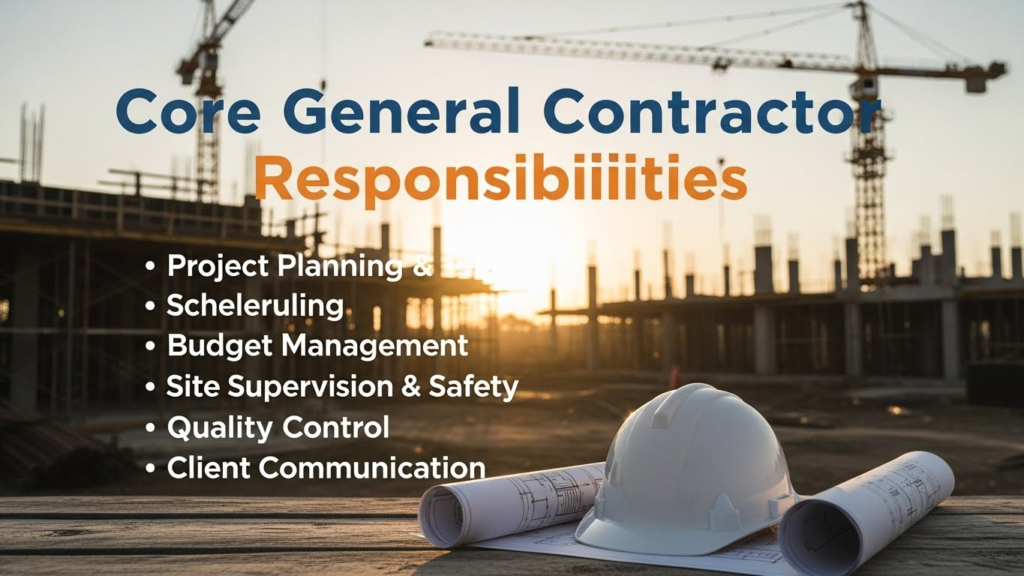
The scope of “construction services” provided by a GC is vast. It begins long before the first shovel hits the dirt and continues until the final coat of paint dries.
1. Pre-Construction Planning and Estimates
Before construction begins, a general contractor visits the site and assesses the project’s feasibility. They work closely with architects and engineers to review plans. One of the most critical early tasks is providing a detailed cost estimate. They calculate material costs, labor hours, and equipment fees to provide a comprehensive bid or budget. This financial roadmap is essential for securing financing and keeping the project realistic.
2. Project Management and Scheduling
Construction project management is a juggling act. A GC creates a master schedule that dictates when each phase of the project happens. They know that the drywallers can’t come in before the electricians have finished roughing in the wiring.
Delays in one area can ripple through the entire schedule. A skilled GC anticipates bottlenecks—like material shortages or weather delays—and adjusts the timeline to keep the project moving forward. They are the ones responsible for ensuring the project meets its deadlines.
3. Managing Subcontractors and Labor
A general contractor rarely builds an entire structure alone. They rely on a network of trusted subcontractors. Part of what a general contractor does is vet these tradespeople. They ensure every electrician, plumber, and roofer is licensed, insured, and capable of high-quality work.
The GC coordinates these teams on-site, ensuring they show up on time and perform their work according to code. If a subcontractor fails to deliver, it is the GC’s responsibility to find a replacement or fix the issue, shielding the homeowner from these personnel headaches.
4. Supply Chain and Material Management
Sourcing materials is more than just a trip to the hardware store. For large projects, it involves ordering tons of lumber, steel, concrete, and specialized fixtures. The GC ensures these materials arrive on site exactly when needed—not too early (where they might get damaged or stolen) and not too late (causing delays). They also inspect deliveries for quality and handle returns or exchanges for damaged goods.
5. Legal and Regulatory Compliance
This is often the most overlooked aspect of general contractor responsibilities. Every construction project must adhere to local building codes and zoning laws. The GC handles the permitting process, securing the necessary legal permissions to build.
They also schedule and manage site inspections with city officials at critical milestones (foundation, framing, electrical, etc.). Failing an inspection can stop a project cold; a good GC knows the codes well enough to ensure work passes the first time.
6. Safety and Site Management
Construction sites are inherently dangerous. The general contractor is responsible for safety on the job site. They must enforce OSHA regulations and safety protocols to prevent accidents. This includes ensuring workers have proper protective gear, maintaining a clean site to prevent trips and falls, and securing the site against theft or vandalism after hours.
The Skills That Define a Top-Tier Contractor
You might think construction knowledge is the only requirement, but successful general contracting requires a diverse skill set.
- Communication: They must translate technical jargon for the client and translate the client’s vision for the tradespeople.
- Financial Acumen: Managing a multi-thousand (or multi-million) dollar budget requires strict accounting skills to track cash flow and expenses.
- Problem Solving: Construction never goes exactly to plan. Unexpected mold, structural issues, or shipping delays happen. A GC must find solutions instantly.
- Technical Knowledge: Even if they aren’t laying the brick themselves, they must know how it’s done correctly to inspect the quality of the work.
Why Hiring a General Contractor is Smart
In the age of DIY, some homeowners consider acting as their own “owner-builder” to save money. While tempting, hiring a general contractor often saves money and sanity in the long run.
Single Point of Contact
When you manage a project yourself, you are the one fielding calls from the plumber at 6 AM or arguing with the window supplier about a wrong order. When you hire a professional, you have one phone number to call. They filter the noise and handle the stress, providing you with streamlined updates.
Established Networks
A veteran home renovation contractor has spent years building relationships with suppliers and subcontractors. They often get trade discounts on materials that aren’t available to the general public. Furthermore, the best subcontractors prioritize jobs for GCs who provide them with steady work, meaning your project gets staffed faster and with better crews than if you tried to hire them directly.
Quality Control and Warranty
A reputable GC stands behind their work. If the tile grout cracks three months later or a door sticks, you have a contract that typically includes a warranty on workmanship. Trying to chase down an individual handyman for repairs after the fact can be a nightmare; a GC offers accountability.
Liability Protection
If a worker gets injured on your property while you are managing the project, you could be liable. General contractors carry workers’ compensation and liability insurance that protects you and your property from lawsuits and claims arising from accidents on site.
When Do You Need a General Contractor?
Not every project requires a GC. If you are repainting a bedroom or replacing a toilet, a handyman or specialized tradesperson is sufficient. However, you should consider hiring a general contractor if:
- The project takes more than a week: Long-term projects require logistical management.
- Several different pros are needed: If the job requires plumbing, electrical, and carpentry, you need someone to coordinate them.
- Permits are required: Complex permitting processes are best handled by pros who know the local bureaucracy.
- Structural changes are involved: Moving walls or adding rooms requires engineering oversight and strict code compliance.
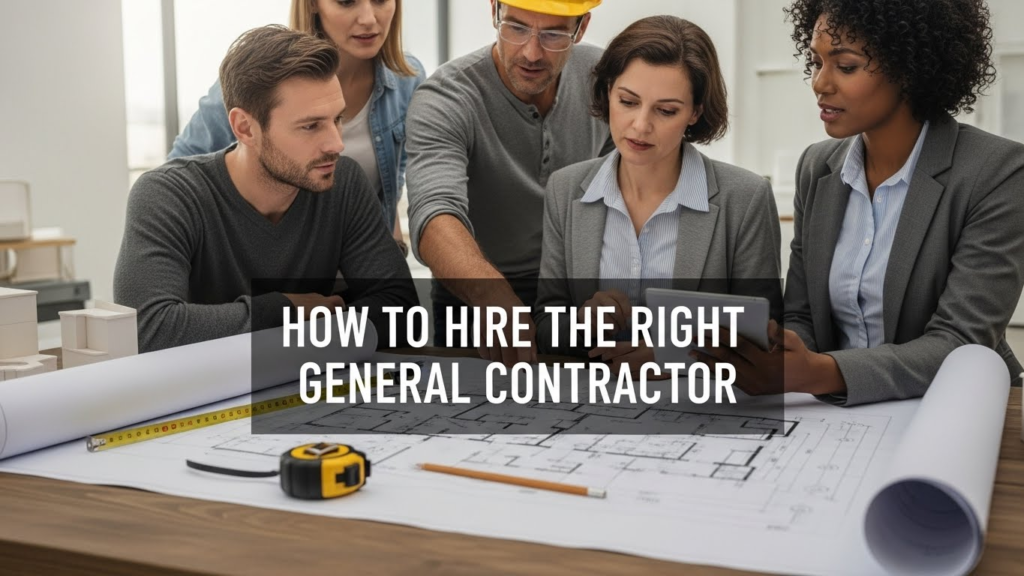
How to Hire the Right General Contractor
Finding the right partner for your build is critical. Here is how to navigate hiring a general contractor effectively.
- Check Licenses and Insurance: Never hire a contractor who cannot prove they are licensed and insured in your state. This is non-negotiable.
- Review Their Portfolio: Look for experience in projects similar to yours. A commercial contractor might not be the best fit for a Victorian home restoration.
- Ask for References: Call previous clients. Ask about the GC’s communication style, ability to stay on budget, and how they handled unexpected problems.
- Compare Bids, Not Just Prices: When you receive estimates, look at the details. A significantly lower bid often means they have left something out or are using inferior materials. Ensure you are comparing apples to apples.
- Trust Your Gut: You will be working closely with this person for months. Choose someone you communicate well with and feel you can trust.
The Changing Landscape of Construction
The role of the general contractor is evolving. Modern GCs are adopting technology to improve transparency and efficiency.
Construction project management software now allows clients to log in and see daily progress photos, budget updates, and timeline changes in real-time. This digital shift reduces misunderstandings and keeps everyone on the same page.
Sustainability is another growing focus. Many “green” general contractors now specialize in eco-friendly building practices, helping clients navigate energy-efficient materials, solar integrations, and waste reduction strategies.
Conclusion – What Do General Contractors Do
So, what do general contractors do? They build, certainly. But more importantly, they protect. They protect your budget from spiraling, your timeline from dragging, and your property from poor workmanship.
Whether you are looking for a commercial builder or a home renovation contractor, the GC is the lynchpin of the operation. They bring order to the chaotic process of construction, transforming a stack of drawings into a physical reality.
By understanding the depth of general contractor responsibilities, you can better appreciate the value they bring to your project. When you are ready to build, don’t just look for a builder—look for a manager, a planner, and a partner.


