
How Much Does It Cost to Repipe a House?
Facing the need to repipe your house can feel overwhelming. It sounds like a massive, disruptive, and expensive project. While it is a significant home improvement task, understanding the costs involved can make the process much more manageable. Knowing what to expect financially allows you to plan effectively, hire the right professionals, and ensure the long-term health of your home’s plumbing system.
This comprehensive guide will break down everything you need to know about the cost to repipe a house. We will explore the national averages, detail the various factors that influence the final price, compare different pipe materials, and offer practical tips to help you save money. By the end, you’ll have a clear roadmap for tackling your home repiping project with confidence.
Understanding the Average Cost to Repipe a House
When budgeting for a whole-house repipe, it’s helpful to start with a general price range. Nationally, most homeowners spend between $5,000 and $20,000 to replace all the plumbing in their home. The average cost often lands somewhere around $10,000 to $12,000 for a standard 2,000-square-foot house with two or three bathrooms.
However, these figures are just a starting point. The final invoice for your repiping job can vary dramatically based on a wide array of specific factors related to your property and the scope of the work. A small, single-story home might cost as little as $4,500, while a large, multi-story historic home could see costs exceed $30,000 or more.
Think of it as a spectrum. On one end, you have straightforward projects with easy access and budget-friendly materials. On the other, you have complex jobs requiring extensive demolition, premium materials, and specialized labor. Your project will fall somewhere along this spectrum, and understanding the key cost drivers will help you pinpoint where.
Detailed Cost Breakdown: Where Does Your Money Go?

The total cost of a repiping project is primarily split between two main categories: materials and labor. Generally, the split is close to 50/50, but this can shift depending on the type of pipes you choose and the complexity of the installation.
Labor Costs: The Biggest Expense
For most repiping jobs, labor is the single largest component of the total cost, typically accounting for 40% to 60% of the final bill. Plumbers charge an hourly rate that varies significantly by location, but you can expect to pay anywhere from $75 to $200 per hour for a licensed and insured professional. A whole-house repipe is not a one-person job; it usually requires a team of two or more plumbers working for several days to a full week.
What does the labor charge cover?
- Initial Assessment and Planning: The plumber will evaluate your current system, map out the new pipe layout, and determine the best approach for installation.
- Pipe Removal and Installation: This is the core of the work, involving running new supply and drain lines throughout your home.
- Wall and Ceiling Access: Plumbers need to access pipes hidden behind drywall or in crawlspaces. This involves cutting strategic holes in walls and ceilings.
- Final Connections and Testing: Connecting all new pipes to fixtures (sinks, toilets, showers) and thoroughly testing the system for leaks and proper pressure.
The total time required can range from two days for a small, simple home to over a week for a larger, more complex residence.
Material Costs: Choosing Your Pipes
Piping materials make up the other significant portion of your budget, typically 30% to 50% of the total cost. The material you select has a major impact not only on the upfront price but also on the longevity and performance of your new plumbing system. We will explore the specific types of pipes in more detail later, but the cost per linear foot is a key consideration.
Beyond the pipes themselves, material costs also include:
- Fittings and Connectors: Elbows, tees, valves, and other connectors are needed to join the pipes and direct water flow.
- Shut-off Valves: New ball valves are installed to control water flow to individual fixtures and the main line.
- Supports and Hangers: Clamps and straps are used to secure the pipes properly within walls and ceilings.
- Consumables: This includes items like plumber’s putty, solder, flux, and pipe sealant.
The quantity of materials needed depends directly on the size of your house and the number of plumbing fixtures you have.
Additional Potential Costs
Several other expenses can arise during a repiping project that you should factor into your overall budget.
- Permits: Most municipalities require a plumbing permit for a whole-house repipe. The cost for this can range from $100 to $500 or more, depending on your local building department.
- Drywall Repair and Painting: The plumber’s job is to install the pipes, not to fix the walls afterward. You will need to hire a separate contractor or do the work yourself to patch, texture, and paint the areas where access holes were cut. This can add $500 to $2,500 or more to the total cost.
- Fixture Replacement: If your faucets, sinks, or toilets are old, this is the perfect time to replace them. While this adds to the cost, it saves on future labor.
- Unexpected Issues: During demolition, plumbers might uncover other problems like mold, wood rot, or pest damage that need to be addressed before the new pipes can be installed. It’s wise to have a contingency fund of 10-15% of your total budget for these surprises.
Key Factors That Influence Repiping Costs
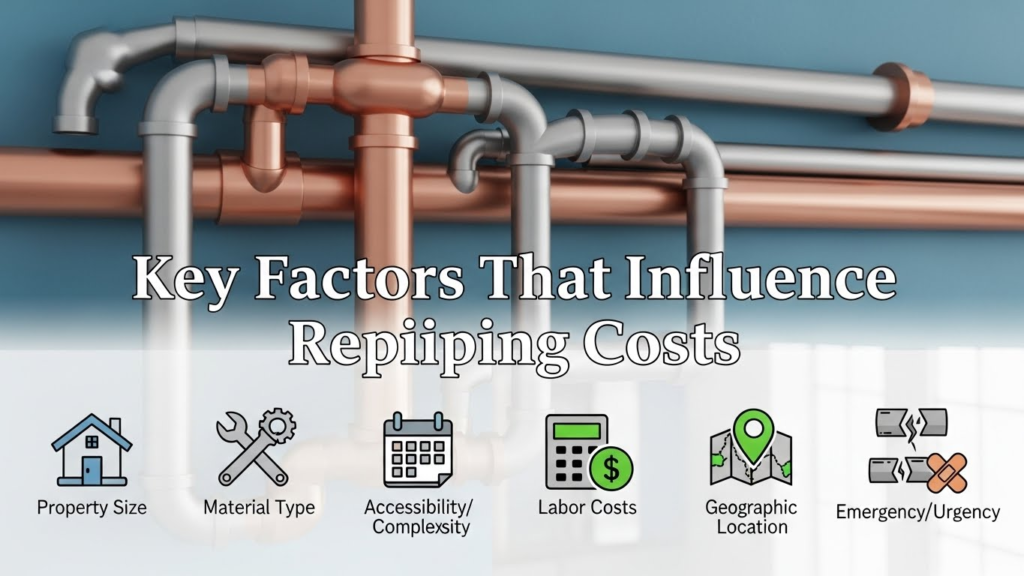
No two repiping projects are exactly alike. The final price you pay will be determined by a unique combination of factors specific to your home and location.
1. House Size and Layout
This is one of the most significant cost drivers. A larger house requires more linear feet of pipe and more labor hours to install it. A 3,500-square-foot house will naturally cost more to repipe than a 1,200-square-foot house.
The number of stories also plays a crucial role. A two-story or three-story home is more complex to repipe than a single-story ranch. Plumbers must navigate between floors, which requires more planning, more intricate pipe runs, and more time, increasing labor costs.
2. Number of Plumbing Fixtures
The number of bathrooms, kitchens, and laundry rooms directly impacts the cost. Each sink, toilet, shower, bathtub, and washing machine connection adds complexity, requires more materials (pipes, fittings, valves), and increases the labor time. A home with 3.5 bathrooms will cost significantly more than a home with 1.5 bathrooms, even if the square footage is similar.
3. Accessibility of Pipes
How easily can plumbers get to your existing pipes? This is a major factor in determining labor costs.
- Basement or Crawlspace: Homes with unfinished basements or accessible crawlspaces are generally the least expensive to repipe. Plumbers can easily access the pipes from below without extensive demolition.
- Slab Foundation: Homes built on a concrete slab foundation present the biggest challenge. Pipes are often run under the slab or within the concrete itself. Repiping may involve trenching through the slab or rerouting pipes through the attic, both of which are labor-intensive and costly.
- Historic Homes: Older homes often have plaster walls instead of drywall, which are more difficult and messy to cut through and repair. They may also have non-standard framing that makes running new pipes more complicated.
4. Type of Piping Material
The choice between different piping materials affects both material costs and labor. Some materials are more expensive to purchase, while others are more labor-intensive to install.
5. Geographic Location
Labor rates and material costs vary significantly across the country. A repiping project in a high-cost-of-living urban area like San Francisco or New York City will be substantially more expensive than the same project in a rural area in the Midwest. It’s essential to get quotes from local contractors to understand the pricing in your specific market.
Comparing Types of Piping Materials
Your choice of pipe material is a critical decision. It influences cost, installation time, and the long-term durability of your plumbing system. The most common options today are PEX, copper, and CPVC.
PEX (Cross-Linked Polyethylene)
PEX is a flexible plastic tubing that has become the most popular choice for residential repiping in recent years.
- Cost: PEX is the most budget-friendly option. The material itself is inexpensive, and its flexibility dramatically reduces installation time and labor costs. Plumbers can bend it around corners, reducing the need for fittings, and can often pull it through walls like electrical wiring, minimizing demolition.
- Pros: Highly flexible, resistant to corrosion and scale buildup, freeze-resistant, and has a long lifespan (50+ years). The quick installation saves a lot on labor.
- Cons: Cannot be used outdoors as it degrades with UV light exposure. It can be damaged by rodents. Some people are concerned about potential chemical leaching, though it is approved for potable water systems.
- Average Material Cost: $0.50 – $2.00 per linear foot.
Copper
Copper has been the gold standard for plumbing for decades, known for its durability and reliability.
- Cost: Copper is the most expensive option. The raw material is a commodity with a fluctuating price, and the installation process is labor-intensive. It requires a skilled plumber to cut, fit, and solder each joint, which takes significantly more time than installing PEX.
- Pros: Extremely durable with a proven lifespan of 50-70+ years, naturally corrosion-resistant, and has antimicrobial properties. It is also recyclable and adds value to a home.
- Cons: The high material and labor cost is a major drawback. It can be susceptible to corrosion from highly acidic water. It can also burst if it freezes.
- Average Material Cost: $2.00 – $6.00 per linear foot.
CPVC (Chlorinated Polyvinyl Chloride)
CPVC is a rigid plastic pipe that is an alternative to traditional PVC, rated for use with both hot and cold water.
- Cost: CPVC is priced between PEX and copper. It is less expensive than copper but generally more expensive than PEX. Installation is quicker than copper as it uses a solvent cement to bond joints, but it is less flexible than PEX.
- Pros: Inexpensive, resistant to corrosion, and easy to install compared to copper.
- Cons: The material can become brittle over time, especially when exposed to UV light or certain chemicals. It is more susceptible to cracking and failure than PEX or copper, particularly if not installed perfectly.
- Average Material Cost: $0.70 – $3.00 per linear foot.
Material Cost Comparison Summary
| Material | Material Cost (per foot) | Labor Intensity | Overall Cost |
|---|---|---|---|
| PEX | $0.50 – $2.00 | Low | Low |
| CPVC | $0.70 – $3.00 | Medium | Medium |
| Copper | $2.00 – $6.00 | High | High |
Most homeowners today opt for PEX due to its excellent balance of performance, longevity, and affordability. However, copper remains a premium choice for those who want the most durable, time-tested system and are willing to invest in it.
Recognizing the Signs: When Do You Need to Repipe?
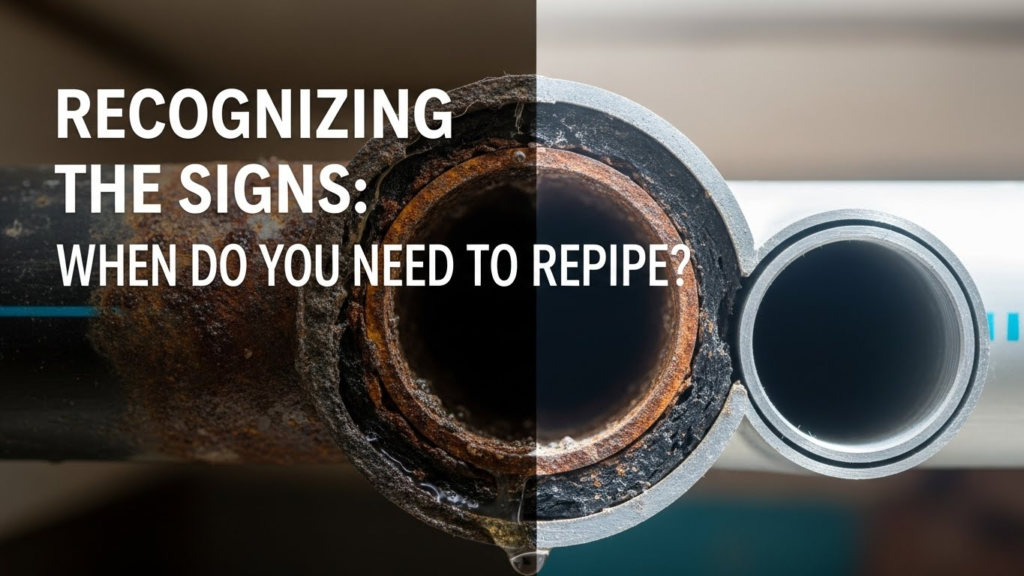
Repiping is a proactive solution to a failing plumbing system. Ignoring the warning signs can lead to catastrophic water damage, mold growth, and emergency repairs. Here are the key indicators that your home may need to be repiped:
- Low Water Pressure: A gradual decrease in water pressure throughout the house is a classic sign of corrosion and scale buildup inside galvanized steel pipes.
- Discolored Water: If rusty or brown water comes out of your faucets, especially first thing in the morning, it means your pipes are corroding from the inside out.
- Frequent Leaks: One or two isolated leaks can be repaired, but if you are experiencing recurring leaks in different parts of your house, it’s a sign that the entire system is failing.
- Visible Corrosion: Check any visible pipes in your basement, crawlspace, or under sinks. Obvious signs of rust, flaking, or discoloration are clear warnings.
- Old Piping: If your home was built before 1970 and still has its original galvanized steel pipes, they are living on borrowed time and should be replaced proactively. Polybutylene pipes, used from the late 1970s to the mid-1990s, are also known for premature failure and should be replaced.
The Benefits of Repiping Your House
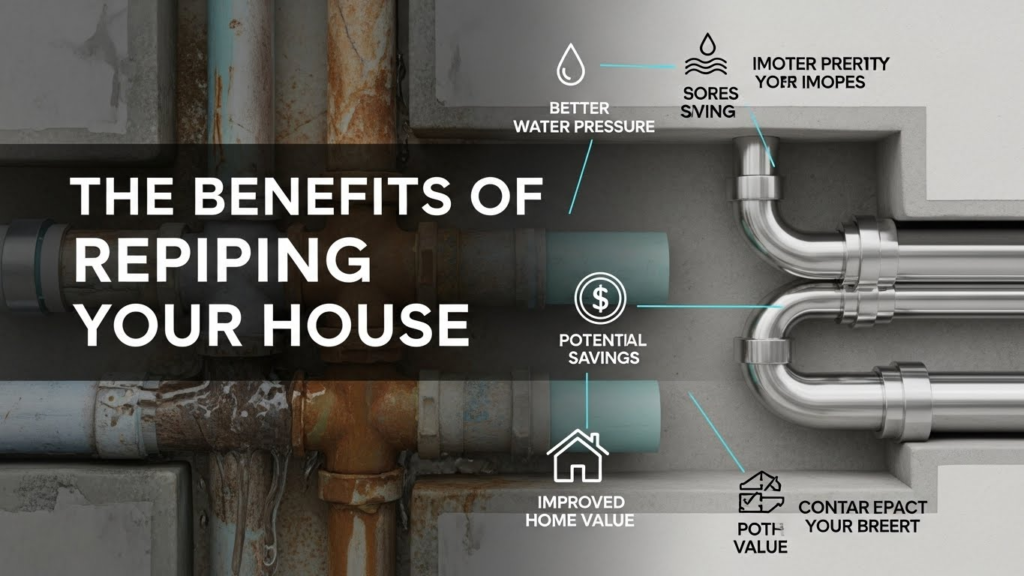
While the cost can be substantial, a whole-house repipe is a valuable long-term investment in your property. The benefits extend far beyond just preventing leaks.
- Improved Water Pressure and Flow: New, full-diameter pipes will restore your water pressure, allowing you to run the shower and dishwasher at the same time without issue.
- Cleaner, Healthier Water: Replacing old, corroded pipes eliminates rust and other contaminants, providing your family with clean, clear water for drinking and bathing.
- Peace of Mind: Knowing your plumbing system is brand new and reliable eliminates the constant worry of a sudden pipe burst and the devastating water damage that follows.
- Increased Home Value: A new plumbing system is a major selling point. It signals to potential buyers that a critical, expensive component of the home has been updated, increasing the property’s marketability and value.
- Lower Insurance Premiums: Some insurance companies may offer lower premiums for homes with updated plumbing systems because the risk of water damage claims is significantly reduced.
Tips for Saving Money on Your Repiping Project
While you shouldn’t cut corners on a job this important, there are several smart ways to manage and potentially reduce the cost of repiping your house.
- Get Multiple Quotes: This is the single most effective way to ensure you get a fair price. Contact at least three to five reputable, licensed plumbers in your area. Provide each one with the exact same project details so you can compare their quotes on an apples-to-apples basis.
- Choose PEX Piping: Unless you are set on copper, opting for PEX piping will provide the most significant cost savings on both materials and labor without sacrificing quality or longevity.
- Do Your Own Demo and Repair: If you are handy, you can save hundreds or even thousands of dollars by doing the non-plumbing work yourself. This includes cutting access holes in the drywall before the plumbers arrive and handling all the patching, texturing, and painting after they leave.
- Schedule During the Off-Season: Plumbers are often busiest in the summer and winter. If your project isn’t an emergency, scheduling it for the spring or fall might result in more competitive pricing.
- Bundle with Other Projects: If you’re already planning a kitchen or bathroom remodel, that is the perfect time to repipe. The walls will already be open, saving you money on demolition and repair costs.
Conclusion: A Worthwhile Investment in Your Home’s Future
The cost to repipe a house, typically ranging from $5,000 to $20,000, is a significant financial undertaking. The final price depends on a variety of factors, including the size and layout of your home, the accessibility of your pipes, your geographic location, and the type of material you choose. Labor often accounts for the largest portion of the expense, which is why factors that simplify the installation process, like choosing flexible PEX tubing, can lead to substantial savings.
While the upfront cost is high, repiping is a crucial investment in the health, safety, and value of your home. It solves persistent problems like low water pressure, discolored water, and recurring leaks, giving you peace of mind and protecting your property from the risk of catastrophic water damage.
If you are experiencing signs of a failing plumbing system, the first step is to contact qualified local plumbers for a thorough inspection and detailed quotes. By understanding the costs, evaluating your options, and planning carefully, you can confidently navigate the repiping process and secure a reliable plumbing system for decades to come.