How Much Does a Shed Cost? A Complete Price Guide
Adding a shed to your property can be a game-changer. It provides dedicated storage, frees up space in your garage, and can even become a workshop or a quiet retreat. But before you can enjoy these benefits, you need to answer a critical question: how much does a shed cost? The answer isn’t a single number. The price of a shed can range from a few hundred dollars for a small, basic kit to tens of thousands for a large, custom-built structure.
Understanding the factors that influence shed cost is the key to setting a realistic budget and finding the perfect option for your needs and wallet. This comprehensive guide will break down every element that contributes to the final price tag. We will explore costs by type, material, size, and additional features, helping you make an informed decision for your backyard investment.
Shed Cost at a Glance: A Quick Overview
Before we dive deep, let’s look at some general price ranges. These figures represent the cost of the shed itself, without factoring in foundation work or professional installation, which we will cover later.
- Small Sheds (e.g., 4×6, 6×8): Typically used for storing garden tools and small equipment. Expect to pay between $300 and $1,500.
- Medium Sheds (e.g., 8×10, 10×12): Ideal for lawnmowers, bicycles, and general storage. Prices usually fall between $1,500 and $5,000.
- Large Sheds (e.g., 12×16, 14×20): Can serve as workshops, home offices, or for storing large items like ATVs. The cost can range from $5,000 to $15,000+.
- Custom-Built Sheds: For specialized uses or unique designs, costs can start at $10,000 and go well beyond $30,000.
These are just starting points. The material, brand, and features you choose will cause these prices to fluctuate significantly.
Key Factors That Determine the Price of a Shed
The final cost of your shed is a puzzle made of several pieces. The size is a major driver, but materials, style, and whether you build it yourself or hire a pro are just as important.
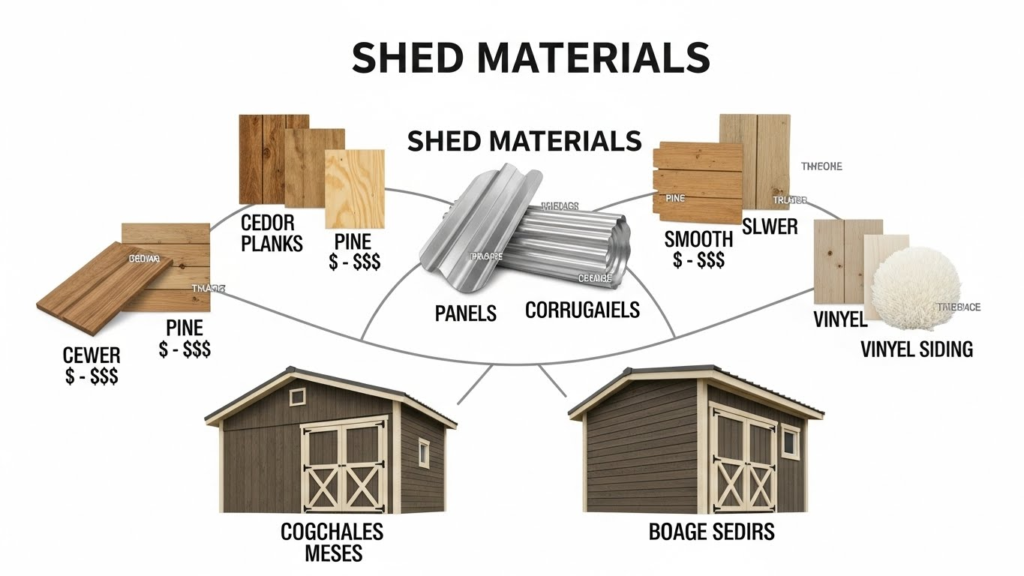
1. Shed Materials: A Major Cost Driver
The material you choose affects not only the price but also the shed’s durability, maintenance needs, and appearance.
Wood Sheds
Wood is a classic and popular choice for its traditional look and ease of customization. It’s easy to paint, add shelves, or install hooks. However, it requires more maintenance to protect it from rot, insects, and weather.
- Pros: Aesthetically pleasing, highly customizable, strong.
- Cons: Susceptible to rot and pests, requires regular maintenance (painting/staining), can be more expensive.
- Average Cost: $1,500 – $8,000. The price of a wood shed depends heavily on the type of wood. A simple pine shed kit will be on the lower end, while a shed built with cedar or engineered wood siding will be more expensive.
Metal Sheds
Metal sheds, typically made from galvanized steel or aluminum, are a budget-friendly and low-maintenance option. They are resistant to rot and insects but can be prone to dents and rust if the protective coating is scratched.
- Pros: Affordable, low maintenance, fire and insect resistant.
- Cons: Can dent easily, prone to rust if scratched, less customizable, can be noisy in rain.
- Average Cost: $400 – $2,500. Their affordability makes them a common choice for basic storage needs.
Plastic (Resin/Vinyl) Sheds
Plastic sheds are made from high-density polyethylene (HDPE) or vinyl. They have become incredibly popular due to their durability and virtually maintenance-free nature. They won’t rust, rot, or need painting.
- Pros: Extremely low maintenance, durable, resistant to insects and moisture, easy to assemble.
- Cons: Can be less customizable than wood, colors may fade over time with direct sun exposure, can be less sturdy in extreme winds without proper anchoring.
- Average Cost: $500 – $3,000. The price of a plastic shed offers a great balance of durability and affordability.
Composite Sheds
Composite materials combine wood fibers and plastic polymers to create a strong, durable, and low-maintenance option. They offer the look of wood without the demanding upkeep.
- Pros: Looks like wood, very low maintenance, resistant to rot and insects.
- Cons: Can be one of the more expensive options, limited color choices.
- Average Cost: $2,000 – $10,000+. This is a premium material for those who want the best of both worlds.
2. Shed Size: How Much Space Do You Need?
Unsurprisingly, the bigger the shed, the more it will cost. It’s not just about the footprint (length x width) but also the height, as taller walls require more materials.
To choose the right size, take an inventory of what you plan to store. Don’t just think about your current needs; consider what you might acquire in the next five years. It’s better to have a little extra space than to run out of room too quickly.
- Small (Under 80 sq. ft.): Perfect for hand tools, a push mower, and gardening supplies.
- Cost Estimate: $300 – $1,500
- Medium (80 – 120 sq. ft.): The most common size range. Can fit a riding lawn mower, bicycles, and seasonal decor.
- Cost Estimate: $1,500 – $5,000
- Large (Over 120 sq. ft.): Functions as a workshop, hobby space, or storage for large equipment like snowmobiles.
- Cost Estimate: $5,000 – $15,000+
Think vertically as well. A shed with a higher roof pitch or a loft can dramatically increase your storage capacity without taking up more yard space.
3. DIY Kit vs. Professional Installation
How your shed is assembled has a major impact on the total cost.
DIY Shed Kits
If you are handy and have the time, a DIY shed kit can save you a significant amount of money. These kits come with pre-cut pieces and detailed instructions.
- Cost Savings: You can save anywhere from $500 to $3,000+ on labor costs.
- Considerations: Assembly can take a full weekend or longer, depending on your skill level and the shed’s complexity. You’ll need your own tools and at least one person to help. Mistakes can be costly and time-consuming.
Professional Installation
Hiring a professional ensures the shed is built correctly, safely, and efficiently. Many shed retailers offer installation as part of a package.
- Installation Cost: Labor typically costs 30% to 50% of the shed’s purchase price. For a $3,000 shed, installation might cost $900 to $1,500. This often includes minor site prep and anchoring.
- Benefits: Professional installers can often complete the job in a single day. The build is usually warrantied, giving you peace of mind. They handle all the heavy lifting and have the specialized tools required.
4. Custom-Built Sheds
If a standard kit doesn’t meet your needs, a custom-built shed is the ultimate solution. You can design it to match your home’s architecture, choose specific materials, and incorporate unique features like skylights, workbenches, or electrical wiring.
- How Much Does a Custom Shed Cost? This is where the price can skyrocket. A simple custom shed built by a local carpenter might start around $5,000. A large, fully finished structure that serves as a home office or guest house can easily exceed $30,000. The cost is determined by labor rates, material choices, and the complexity of the design.
Hidden Costs: What Else Affects the Price of a Shed?
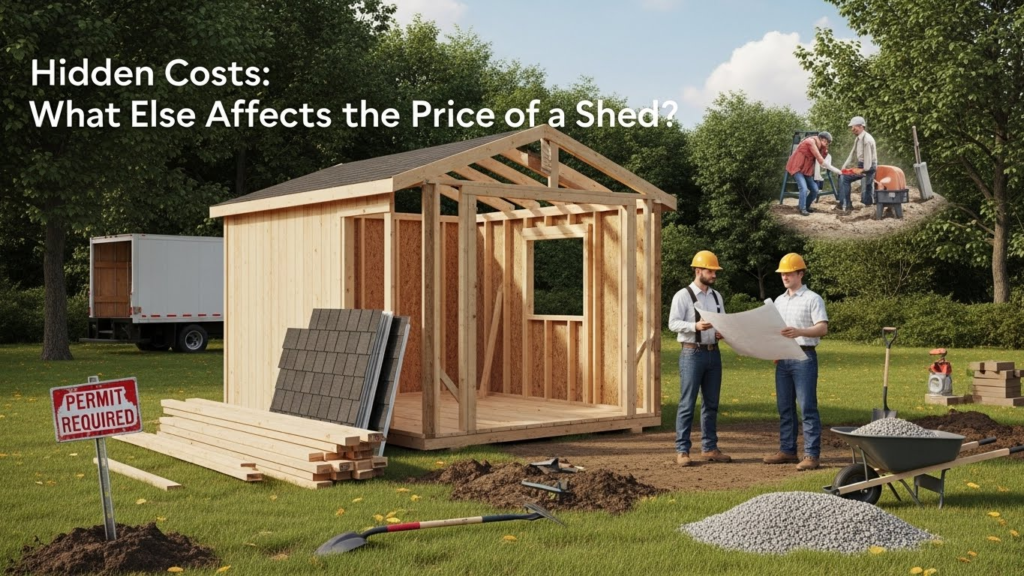
The sticker price on the shed is rarely the final price. Several other expenses can add up, so it’s essential to factor them into your budget.
The Foundation
A solid, level foundation is non-negotiable. It supports the shed, keeps it stable, and prevents moisture damage from the ground. Without a proper base, the shed’s frame can warp, and doors will stop closing correctly.
- Gravel Pad: A common and effective choice. It involves excavating the area, laying landscape fabric, and filling it with several inches of compacted gravel.
- DIY Cost: $100 – $400 for materials.
- Professional Cost: $500 – $1,200.
- Concrete Slab: The most durable and permanent option, ideal for large, heavy sheds or workshops.
- DIY Cost: $300 – $800 for materials (concrete, forms, rebar).
- Professional Cost: $1,000 – $3,000. The cost of a concrete slab can be as much as the shed itself.
- Paver Base: A good-looking and stable option, but can be labor-intensive.
- DIY Cost: $200 – $600.
- Professional Cost: $800 – $2,000.
Permits and Regulations
Before you even buy a shed, check with your local municipality and homeowners’ association (HOA). Many areas have restrictions on shed size, height, and placement (setbacks from property lines).
- Building Permits: For larger sheds (often over 120 or 200 sq. ft.), a building permit may be required.
- Cost: Permit fees can range from $50 to $500.
Delivery Fees
Most shed kits purchased online or from big-box stores will have a delivery fee, especially for larger items that require freight shipping. Some local shed builders include delivery within a certain radius but charge extra for longer distances.
- Cost: Expect to pay anywhere from $100 to $500+ for delivery.
Site Preparation
Your chosen spot for the shed needs to be clear and level. If your yard is sloped or has trees and rocks in the way, you’ll incur extra costs.
- Land Clearing and Leveling: This could be a simple DIY job with a shovel and wheelbarrow or require hiring a professional landscaper with heavy equipment.
- Professional Cost: $300 – $1,500, depending on the extent of the work.
Additional Features and Upgrades
The base price of a shed rarely includes extras. Each upgrade will increase the total cost.
- Windows: Adding one or two extra windows can cost $100 – $400.
- Ramps: A sturdy ramp for wheeling in mowers and equipment can cost $100 – $300.
- Shelving and Lofts: Interior organization systems can add $200 – $1,000.
- Ventilation: Important for preventing moisture buildup. Vents can add $50 – $150.
- Electrical Wiring: If you plan to use your shed as a workshop or office, running electricity is a must. Hiring an electrician is essential for this.
- Professional Cost: $500 – $2,500, depending on the distance from the house and the number of outlets/fixtures.
- Paint or Stain: For wood sheds, you will need to purchase paint or stain and supplies.
- Cost: $100 – $300.
How to Save Money on Your Shed
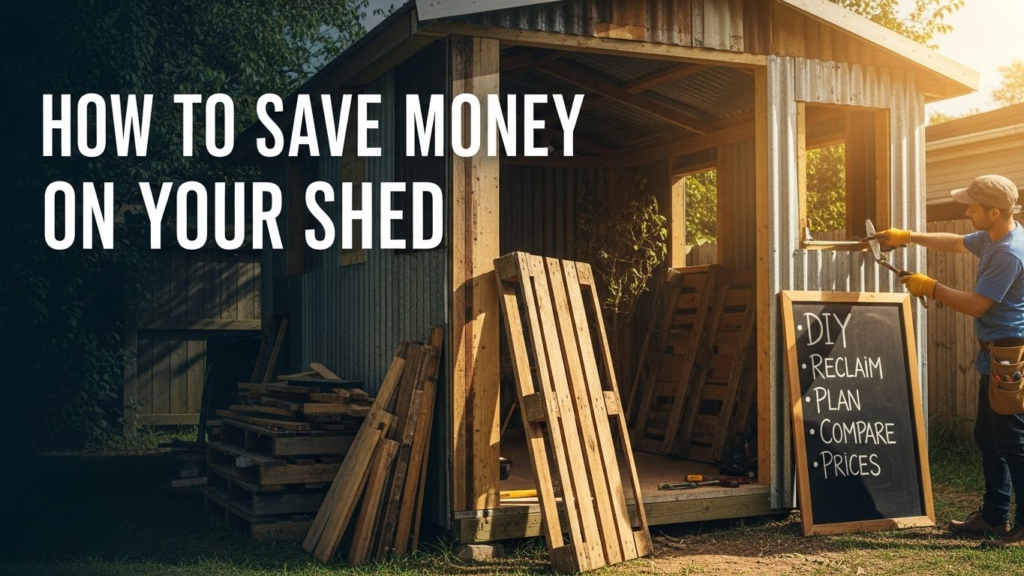
A new shed is a significant investment, but there are several ways to lower the price of a shed without sacrificing quality.
- Choose the Right Time to Buy: Shed prices often drop in the fall and winter as demand decreases. Keep an eye out for end-of-season sales.
- Opt for a DIY Kit: If you have the skills and tools, assembling the shed yourself is the single biggest way to save money.
- Prepare the Site Yourself: Tasks like clearing the area and building a simple gravel foundation are manageable DIY projects that can save you hundreds in labor costs.
- Consider a Floorless Design: If you are building on a concrete slab, you can purchase a shed without a built-in floor, which can reduce the material cost.
- Start Simple: You don’t need every upgrade at once. Build a basic shed now and add features like shelving, workbenches, or a ramp later as your budget allows.
- Compare Prices: Get quotes from multiple sources, including local builders, big-box retailers, and online stores. Don’t forget to compare warranty and delivery options.
Making the Right Choice for Your Budget
Determining how much a shed costs requires a clear understanding of your needs and a realistic view of your budget. Start by defining the primary purpose of your shed—is it for simple tool storage, or will it be a functional workspace? This will guide your decisions on size, material, and features.
Create a detailed budget that goes beyond the purchase price. Account for the foundation, potential permit fees, delivery, and any site preparation that may be needed. Getting multiple quotes for both materials and labor will give you the power to negotiate and find the best value.
Investing in a quality shed that fits your needs will pay dividends for years to come, providing valuable storage and enhancing your property. By carefully considering all the factors outlined in this guide, you can confidently set a budget and begin the exciting process of choosing the perfect shed for your home.