
How Long Do Home Inspections Take? A Complete Guide
Purchasing a home is one of the most significant investments you will ever make. Central to this process is the home inspection, a crucial step that provides a detailed assessment of the property’s condition. A common question for both buyers and sellers is, “How long do home inspections take?” Understanding the timeline and the factors involved can demystify the process and help you prepare effectively.
This guide provides a comprehensive answer to that question. We will explore the average duration of a home inspection, detail the elements that can extend or shorten the time required, and offer a look into what a home inspector actually does during their evaluation. Whether you are buying your dream home or preparing to sell your current one, this information will equip you with the knowledge to navigate the inspection process with confidence.
What is the Average Time for a Home Inspection?
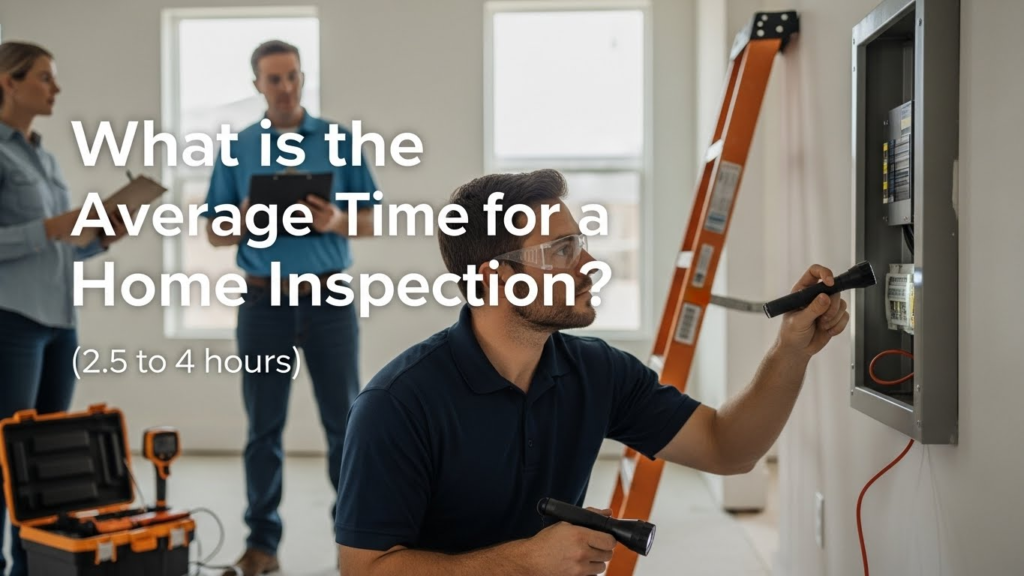
On average, a standard home inspection for a single-family home of about 2,000 square feet takes between 2.5 to 4 hours to complete. This is a general estimate, and the actual time can vary significantly. Some inspections might be wrapped up in as little as two hours, while others, particularly for larger or older properties, could extend to five hours or more.
It’s important to understand that the on-site inspection is just one part of the home inspector’s job. After leaving the property, the inspector spends additional time compiling their findings, reviewing photos, and writing a detailed inspection report. This report is the final deliverable, and its creation can take several more hours. Most buyers receive the comprehensive report within 24 to 48 hours of the physical inspection.
Key Factors That Influence Home Inspection Duration
The duration of a home inspection isn’t a one-size-fits-all figure. Several variables play a direct role in determining how long the inspector will need to be on-site. A professional inspector will not rush the job; their goal is to be thorough, and these factors dictate the necessary time commitment.
1. The Size of the Property
This is the most straightforward factor. A larger home simply has more ground to cover. A 5,000-square-foot house with multiple floors, extra bathrooms, and extensive living areas will naturally take much longer to inspect than a 1,200-square-foot condominium. More square footage means more windows, doors, outlets, plumbing fixtures, and structural components to examine.
2. The Age and Condition of the Home
Older homes often require a more prolonged and detailed inspection. Over the years, a property undergoes wear and tear, potential renovations (both professional and DIY), and system updates. An inspector may need extra time to evaluate the integrity of an older foundation, check for outdated wiring like knob-and-tube, assess the condition of original plumbing, and look for signs of deterioration in materials.
Conversely, a brand-new construction might take less time, as the systems and structures are fresh. However, even new homes need a thorough inspection to catch any construction defects, installation errors, or items that were overlooked by the builder. The overall condition is key; a poorly maintained newer home could take longer to inspect than a well-preserved historic house.
3. The Foundation and Accessibility
The type of foundation plays a significant role in the inspection timeline. Homes with a basement or a crawl space require the inspector to enter and thoroughly examine these areas. A full, finished basement adds considerable square footage to the inspection.
A crawl space inspection can be particularly time-consuming. The inspector needs to suit up, navigate a tight space, and carefully check for moisture issues, pests, foundation cracks, and the condition of plumbing and wiring that runs beneath the house. If access to the crawl space or attic is blocked or difficult, this can add time as the inspector works to gain entry safely.
4. The Number of Systems and Components
A home is a complex network of interconnected systems. The more systems there are, the longer the inspection will take. Consider these components:
- HVAC Systems: A home with a single furnace and air conditioner is simpler to inspect than one with multiple zoned systems, boilers, or radiant floor heating.
- Plumbing: The number of kitchens, bathrooms, and laundry rooms directly impacts the time needed to check every faucet, drain, and toilet.
- Electrical Panels: A home with a single, well-labeled electrical panel is quicker to assess than one with multiple sub-panels or old, confusing wiring.
- Outbuildings: Garages, sheds, workshops, or guesthouses that are part of the property sale must also be inspected, adding to the overall duration.
5. Additional Features of the Property
Luxury or unique features require specialized attention and extend the home inspection duration. Features like swimming pools, hot tubs, saunas, outdoor kitchens, sprinkler systems, and docks all need to be evaluated. These are often not included in a standard home inspection and may require a specialist, but if the general inspector is qualified to check them, it will add significant time to the process.
6. The Inspector’s Methodology
Every home inspector has their own systematic approach to the inspection process. Some may work from the outside in, while others might start in the basement and work their way up. An experienced inspector follows a meticulous routine to ensure nothing is missed. Their thoroughness is a benefit to the buyer, and this methodical pace is factored into the time estimate. A less experienced inspector might take longer as they double-check their work.
7. Weather Conditions
Inclement weather can sometimes impact the inspection timeline. Heavy rain or snow can make it difficult or unsafe to walk on the roof or thoroughly inspect the exterior siding and grounds. While inspectors can work in most weather conditions, safety precautions might slow down the exterior portion of the real estate inspection.
A Look Inside the Home Inspection Process: Where Does the Time Go?
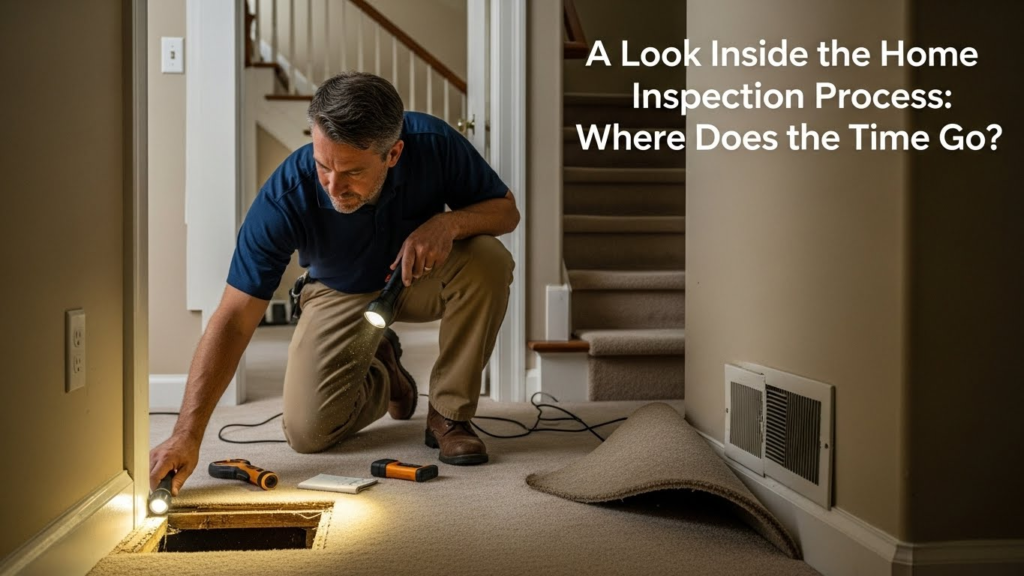
To appreciate why a home inspection takes several hours, it’s helpful to understand what the inspector is examining. A standard home inspection checklist is extensive, covering the home’s primary systems and components from top to bottom.
The Exterior (30-60 minutes)
The inspection often begins outside. The inspector will walk the perimeter of the property to evaluate:
- Roof: Checking the condition of shingles, flashing, gutters, downspouts, and vents. They will look for signs of damage, wear, and improper installation.
- Siding and Trim: Examining the exterior walls for cracks, rot, pest damage, or other issues.
- Foundation: Looking for visible cracks or signs of shifting.
- Grading and Drainage: Assessing if the landscape slopes away from the house to prevent water intrusion.
- Windows and Doors: Checking for their condition and proper operation.
- Patios, Decks, and Porches: Inspecting for safety, structural integrity, and wood rot.
The Interior (60-120 minutes)
Inside the home, the inspector moves room by room in a systematic fashion. This is often the most time-consuming part of the inspection.
- Ceilings, Walls, and Floors: Looking for stains, cracks, or signs of structural issues.
- Windows and Doors: Testing their operation and checking for broken seals.
- Electrical Outlets: Using a tester to verify they are wired correctly and have proper grounding.
- Appliances: Running built-in appliances like the dishwasher, stove, and garbage disposal through a cycle.
- Fireplaces: A visual inspection of the flue and damper.
The Attic (15-30 minutes)
If the home has an attic, the inspector will enter it to check:
- Insulation: Assessing the type and depth of insulation.
- Ventilation: Ensuring proper airflow to prevent heat and moisture buildup.
- Structure: Examining the roof structure for any signs of damage, leaks, or stress.
- Wiring and Ducts: Looking for any issues with electrical wiring or HVAC ductwork that runs through the attic.
The Basement or Crawl Space (20-45 minutes)
This part of the inspection is critical for identifying potential moisture and structural problems. The inspector will look for:
- Foundation Walls: Checking for cracks, bowing, or water intrusion.
- Support Structures: Examining posts and beams for integrity.
- Plumbing and Wiring: Inspecting pipes and wires that are visible in this area.
- Signs of Pests: Looking for evidence of termites, rodents, or other pests.
Major Systems (45-90 minutes)
The core systems of the home require focused attention.
- Plumbing System: The inspector will run water at all faucets and flush all toilets to check for pressure, drainage, and leaks. They will also visually inspect accessible pipes and the water heater.
- Electrical System: This involves examining the main electrical panel, checking the breakers or fuses, and identifying any potential safety hazards like exposed or outdated wiring.
- Heating, Ventilation, and Air Conditioning (HVAC): The inspector will operate the furnace and air conditioning (weather permitting) to ensure they are functioning. They will also inspect the units, filters, and accessible ductwork.
The Role of the Buyer and Seller During the Inspection

The presence of the buyer and seller can also subtly influence the inspection duration. Most inspectors highly recommend that the buyer be present for at least the final portion of the inspection.
For the Homebuyer
Attending the inspection allows you to see the property through the inspector’s eyes. You can ask questions in real-time and gain a better understanding of the home’s systems and maintenance needs. This dialogue is incredibly valuable, but a constant stream of questions can extend the inspection’s length. A good approach is to let the inspector work and save your main questions for the summary at the end.
The final walkthrough with the inspector is perhaps the most important part of the process for you. They can physically point out areas of concern, explain the severity of any issues, and offer context that might not come across as clearly in the written report. This conversation may add 15 to 30 minutes to the total time, but it is time well spent.
For the Home Seller
As the seller, your goal is to facilitate a smooth and efficient inspection. The best way to do this is to prepare the home ahead of time.
- Ensure Access: Make sure the inspector can easily access all areas, including the attic, crawl space, basement, and electrical panel. Clear away any boxes or furniture that might be blocking these areas.
- Leave Utilities On: The inspector needs electricity, water, and gas to be active to test the systems properly.
- Secure Pets: Keep pets in a crate or have them stay with a friend for the day to ensure the inspector can move freely without distractions.
- Provide Documentation: If you have records of recent repairs, upgrades, or system maintenance, leave them on the kitchen counter for the inspector to review.
By preparing properly, you can help prevent unnecessary delays. It is generally recommended that sellers not be present during the inspection. This allows the inspector and buyer to speak openly and prevents any feelings of pressure or awkwardness.
Specialized Inspections and Their Timelines
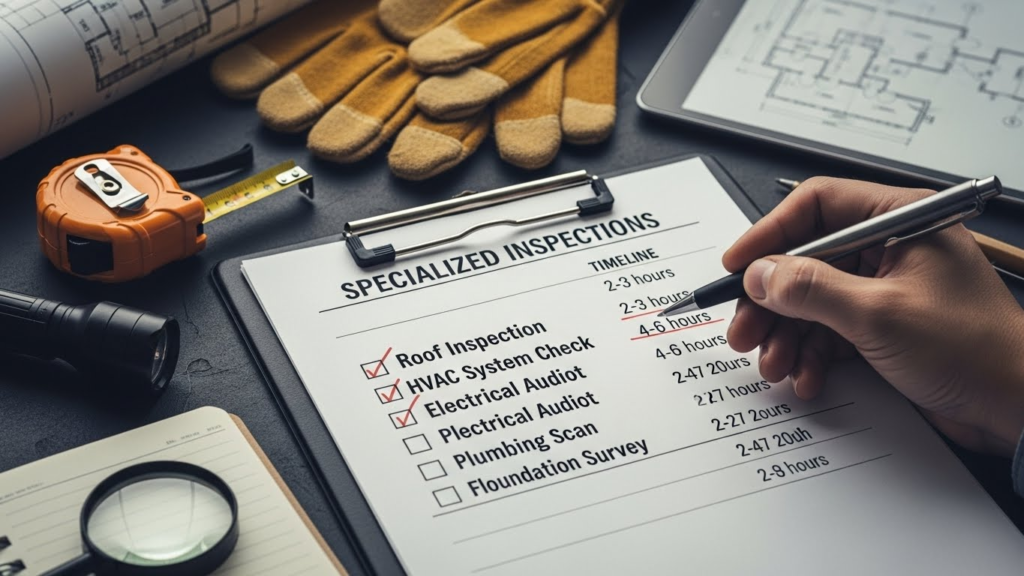
Sometimes, a standard home inspection will uncover a potential issue that requires a specialist to investigate further. These are separate inspections that will add to the overall time you spend in the inspection phase of your home purchase.
- Pest Inspection: A specific inspection for wood-destroying insects like termites and carpenter ants. This usually takes 30 to 60 minutes.
- Radon Test: Radon is a naturally occurring radioactive gas. A test involves placing a monitor in the home for 48 hours to measure the levels.
- Mold Inspection: If the inspector finds signs of significant moisture or visible mold, a mold specialist may be needed. This can take 1 to 3 hours and involves air and surface sampling.
- Sewer Scope: A camera is sent down the main sewer line from the house to the street to check for blockages, breaks, or tree root intrusion. This typically takes about 1 hour.
- Structural Engineer Evaluation: For major foundation concerns or structural issues, a licensed structural engineer will need to conduct a detailed assessment, which can take 2 to 4 hours.
Finalizing the Process: The Inspection Report
The time for home inspection doesn’t end when the inspector leaves your property. The creation of the inspection report is a meticulous process. The inspector will transfer their notes and photos into a detailed, narrative-style report that outlines their findings.
A good report includes:
- Descriptions of every system and component inspected.
- Detailed explanations of any defects found, along with photographic evidence.
- Recommendations for repairs or further evaluation by a specialist.
- Information on the location of main utility shut-offs.
This report is typically 30-50 pages long and is delivered electronically within 24 to 48 hours. The time you spend reviewing this report and discussing it with your real estate agent is a critical part of the home-buying journey.
In conclusion, the time it takes for a home inspection is directly related to the thoroughness of the evaluation. While the average is 2.5 to 4 hours, this can change based on the property’s size, age, and complexity. By understanding the factors that influence the home inspection duration and what the real estate inspection process entails, both buyers and sellers can be better prepared for this essential step in the transaction. Rushing an inspection is never a good idea; the time invested provides invaluable peace of mind and protects your investment for years to come.