Decoding the Clock: How Long Does a Home Inspection Take?
Buying a home is one of the most significant investments you will ever make. After your offer is accepted, a wave of relief washes over you, quickly followed by the next crucial step: the home inspection. This comprehensive evaluation is your best tool for understanding the true condition of the property. A common question that arises for both buyers and sellers is, “Exactly how long does the home inspection take?” Understanding the property inspection timeline can help manage expectations and reduce the stress associated with this pivotal part of the real estate process.
The answer isn’t a simple one. The duration of a home inspection can vary significantly, typically lasting anywhere from two to five hours. This guide will break down the entire inspection process, exploring the key factors that influence the time required. We’ll provide realistic timelines for different property types and offer practical tips for homeowners to ensure the inspection goes as smoothly and efficiently as possible.
What Factors Influence Home Inspection Duration?
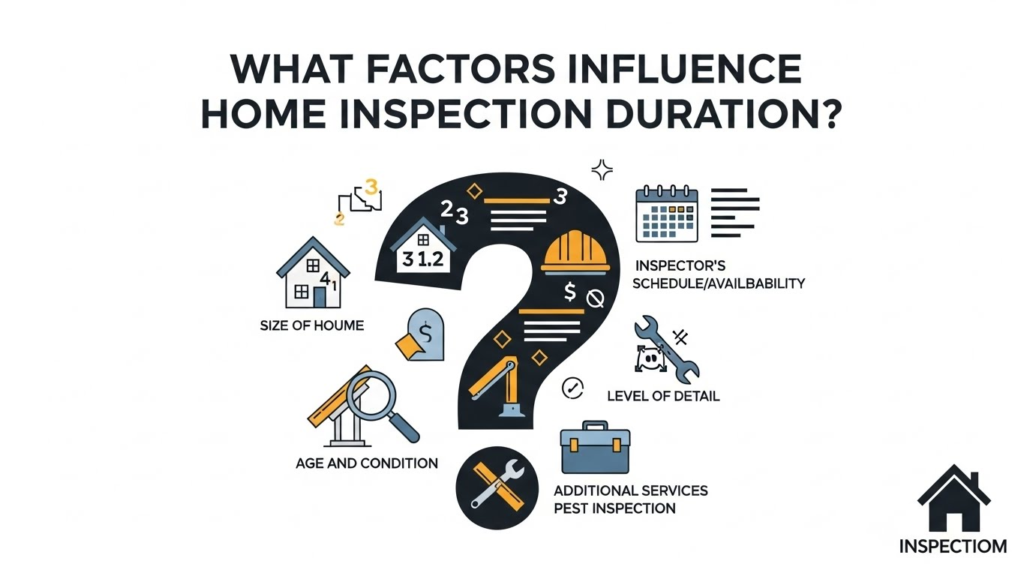
The time a certified inspector spends at a property is not arbitrary. Several key elements directly impact the overall home inspection duration. An inspector’s goal is to be thorough, and a more complex property naturally requires more time to evaluate properly.
Property Size and Square Footage
The most straightforward factor affecting the inspection timeline is the size of the home. A small, 1,200-square-foot condo will take considerably less time to inspect than a sprawling 5,000-square-foot house with multiple levels. More rooms, bathrooms, and systems simply mean there is more ground to cover.
As a general rule, you can add approximately 30 minutes to the inspection time for every additional 500 square feet over a baseline of 1,500 square feet. This is just an estimate, but it illustrates the direct correlation between a home’s size and the time for a home inspection.
Age and Condition of the Home
An older home often has a more complex history than a new construction property. Homes built decades ago may have outdated systems, multiple layers of renovations, and unique structural quirks. An inspector will need extra time to carefully examine the integrity of an older foundation, the state of aged plumbing and electrical systems, and potential issues that arise with vintage building materials.
Similarly, a property in poor condition or one that has been visibly neglected will demand a longer, more detailed inspection. The inspector will need to document numerous defects, assess the severity of each issue, and determine if they point to larger, underlying problems. A brand-new home, while not immune to issues, usually has modern, accessible systems that can be evaluated more quickly.
Foundation and Structural Complexity
The type of foundation plays a significant role in the property inspection timeline. A home with a slab foundation is relatively quick to inspect from a structural standpoint. However, a property with a full basement or a crawlspace requires the inspector to enter and meticulously examine these areas.
Inspecting a crawlspace can be time-consuming and physically demanding. The inspector must check for moisture intrusion, pest activity, foundation cracks, and the condition of plumbing and ductwork that runs through the space. Basements also require a thorough check for water damage, cracks in the foundation walls, and signs of structural movement.
Additional Structures and Features
The standard inspection covers the main dwelling, but what about other features on the property? If your potential new home includes additional structures, the inspection duration will increase. These can include:
- Detached Garages or Workshops: These need their own structural, electrical, and safety checks.
- Swimming Pools and Spas: A pool inspection is a specialized process that adds significant time. The inspector checks the pump, filter, heater, and the pool’s surface integrity.
- Outbuildings like Sheds or Barns: Each structure must be evaluated for safety and condition.
- Guest Houses or Accessory Dwelling Units (ADUs): These are essentially mini-homes and require a comprehensive inspection of their own, adding considerable time.
Special features like outdoor kitchens, extensive decking, or complex irrigation systems also add to the inspector’s checklist and, consequently, the overall time commitment.
The Standard Home Inspection Process: A Step-by-Step Timeline
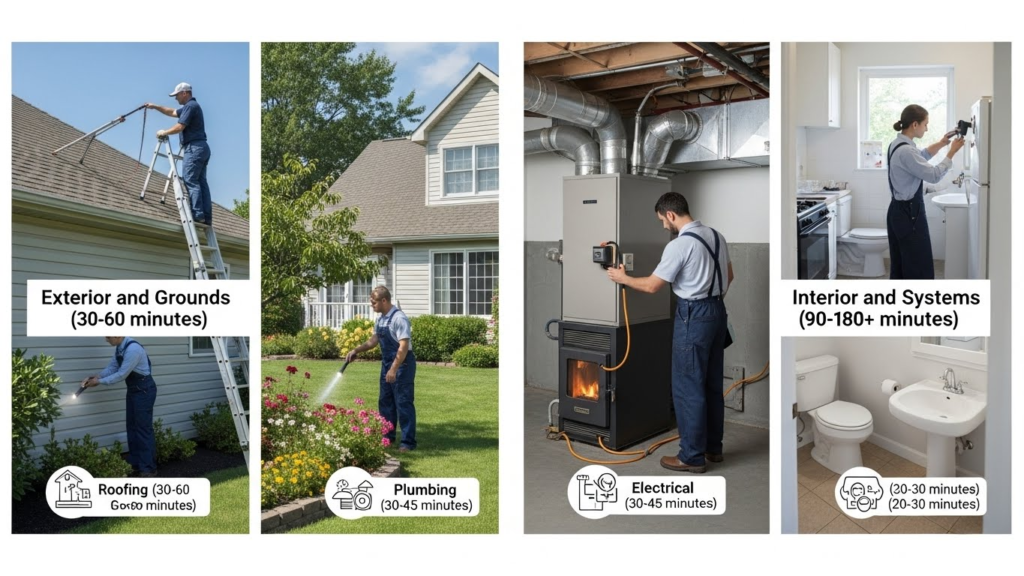
To better understand the time involved, it’s helpful to know what the inspector is doing. A typical inspection is a systematic, top-to-bottom review of the property.
1. Exterior and Grounds (30-60 minutes)
The inspection often begins outside. The inspector will walk the entire perimeter of the property, examining:
- Roofing: Checking for damaged or missing shingles, signs of leaks, and the condition of gutters and downspouts.
- Siding and Trim: Looking for cracks, rot, or damage.
- Grading and Drainage: Assessing if the landscape slopes away from the foundation to prevent water intrusion.
- Windows and Doors: Testing their operation and checking for seal integrity.
- Foundation: Visually inspecting for cracks or signs of shifting.
2. Interior and Systems (90-180+ minutes)
This is the most time-consuming part of the inspection. The inspector moves through the home room by room, but more importantly, system by system.
- Plumbing: The inspector will run water at all faucets and flush all toilets to check for leaks and proper pressure. They will also inspect the water heater.
- Electrical: This involves testing a representative number of outlets, checking the main electrical panel for safety hazards, and testing light fixtures and ceiling fans.
- HVAC System: The inspector will operate the heating and air conditioning (weather permitting) to ensure they function. They will also inspect the furnace or air handler and check the ductwork where visible.
- Kitchen and Appliances: All built-in appliances are tested for basic functionality.
- Bathrooms: Inspectors check for active leaks, proper ventilation, and any signs of hidden water damage.
- Attic: The inspector enters the attic to check insulation levels, look for signs of roof leaks, assess ventilation, and examine the roof structure from the inside.
3. Structural Components (Included Above)
While evaluating the exterior and interior, the inspector is constantly assessing the home’s structure. This includes examining visible framing in the attic and basement/crawlspace, checking for sagging floors, and noting any significant cracks in walls or ceilings that could indicate structural problems.
4. The On-Site Wrap-Up (15-20 minutes)
Many inspectors will provide a brief verbal summary of their most significant findings at the end of the on-site inspection, especially if the buyer is present. This is not the full report, but it gives the buyer an immediate overview of any major concerns. The complete, detailed report with photos and explanations is typically delivered electronically within 24 to 48 hours.
Average Inspection Time by Property Type
While individual factors matter most, we can establish some general timelines based on common property types.
- Condo or Townhouse (Under 1,500 sq. ft.): Expect the inspection to take 1.5 to 2.5 hours. With no individual roof (usually), siding, or yard to inspect, the focus is on the interior systems, windows, and balconies.
- Average Single-Family Home (1,500-2,500 sq. ft.): This is the most common scenario, and the inspection duration typically falls between 2.5 and 4 hours. This allows for a thorough review of the exterior, roof, foundation, attic, and all interior systems.
- Large Single-Family Home (2,500-4,000 sq. ft.): For larger homes, the time for the home inspection will likely be 4 to 5 hours. Multiple HVAC systems, more bathrooms, and a larger roof and foundation all contribute to the longer timeline.
- Very Large or Luxury Estate (4,000+ sq. ft.): These properties, especially those with pools, guest houses, or other complex features, can easily require 5 hours or more. In some cases, two inspectors may work together to complete the job in a single day.
How Homeowners Can Help Ensure a Smooth Inspection

If you are selling your home, a smooth and efficient inspection is in your best interest. Delays or inaccessible areas can raise red flags for buyers and may even require the inspector to return for a second visit, costing you time and money.
1. Provide Clear Access
The single most important thing you can do is ensure the inspector can access all areas of the home.
- Attic: Clear any items blocking the attic hatch or pull-down stairs.
- Basement/Crawlspace: Move boxes and storage away from foundation walls and access points.
- Electrical Panel and Furnace: Make sure these are not blocked by furniture or storage.
- Under Sinks: Clear out cabinets under kitchen and bathroom sinks so the inspector can check for leaks.
2. Ensure All Utilities are On
The inspector cannot test what isn’t working. Make sure the water, electricity, and gas are all active. If the property is vacant, double-check this with your utility providers a few days before the inspection. If the heat or AC cannot be tested because a utility is off, it will be noted as a limitation in the report.
3. Secure Pets
Even the friendliest pets can become anxious or territorial with a stranger in their home. It is best to secure them in a crate, a closed-off room, or take them out of the house for the duration of the inspection. This is for the safety of both your pet and the inspector.
4. Prepare Documentation
If you have records of major repairs or system replacements (e.g., a new roof in 2022, a new water heater last year), leave them out on the kitchen counter. This information provides helpful context for the inspector and demonstrates that the home has been well-maintained.
5. Tidy Up
You don’t need to deep clean the house, but a tidy home makes it easier for the inspector to move around and do their job. A clean home also contributes to a better overall impression.
Conclusion: Time Well Spent for Peace of Mind
The home inspection is a meticulous and detailed process for a reason. It is designed to protect the buyer by uncovering potential problems and maintenance needs before the sale is finalized. While it may seem like a long time, the few hours an inspector spends on-site can save you from thousands of dollars in unexpected repairs down the road.
Rushing an inspection is never a good idea. A qualified inspector will take the time necessary to do a thorough job, regardless of the property’s size or age. By understanding the factors that influence the property inspection timeline and preparing your home accordingly, both buyers and sellers can contribute to a more efficient and effective process. This critical step provides the clarity and confidence needed to move forward in your real estate journey.