Your Guide to Estimating Bathroom Renovation Costs
Planning a bathroom renovation is an exciting project. It’s a chance to refresh a vital part of your home, improve functionality, and increase your property’s value. However, before you start picking out tile and faucets, it’s essential to understand the potential costs. Creating a detailed budget is the first step toward a successful renovation that meets your expectations without unexpected financial strain.
This comprehensive guide will walk you through everything you need to know to accurately estimate your bathroom renovation costs. We will cover the major factors that influence the final price, provide average cost breakdowns for different project scales, and offer practical tips for saving money. By the end, you’ll have a clear roadmap for planning your bathroom renovation budget.
What Factors Influence Bathroom Renovation Costs?
The cost of remodeling a bathroom can vary significantly. Several key factors will determine your final budget, from the size of your space to the quality of materials you choose. Understanding these elements will help you make informed decisions and manage your expenses effectively.
Bathroom Size and Layout Changes
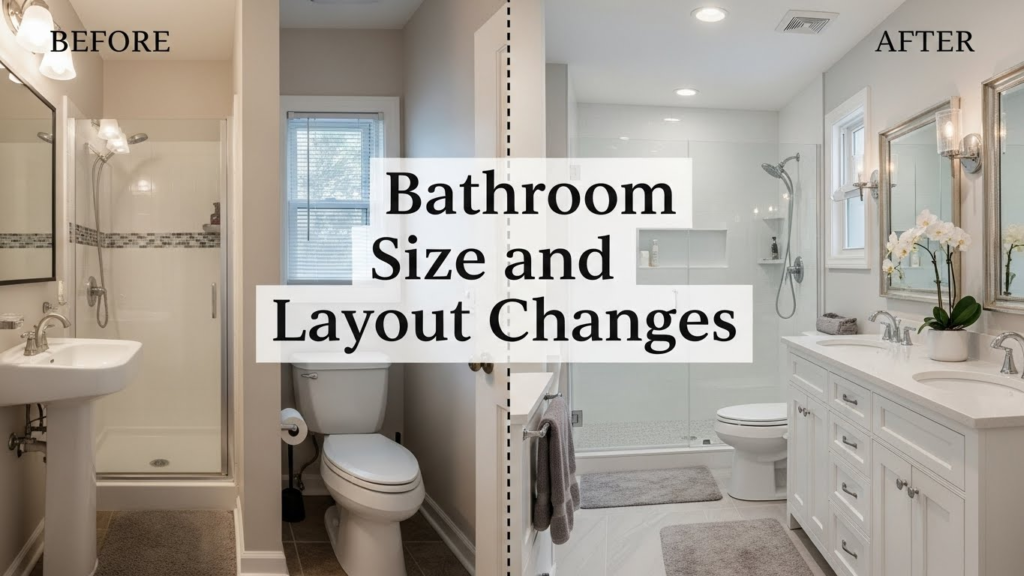
The size of your bathroom is one of the most significant cost drivers. A larger bathroom requires more materials—more flooring, more paint, and more tile. Labor costs also increase, as there is more surface area to cover. A small powder room renovation will naturally cost less than remodeling a large master bathroom.
Changing the existing layout adds another layer of complexity and expense. Moving plumbing fixtures like the toilet, sink, or shower requires hiring a plumber and potentially an electrician. This can involve re-routing pipes and wires within walls and floors, which dramatically increases labor costs and the project timeline. Keeping the existing layout is one of the most effective ways to control your bathroom renovation budget.
Quality of Materials and Finishes
The materials you select will have a substantial impact on your total spending. There is a wide spectrum of options available, from budget-friendly to luxury.
- Flooring: Vinyl or laminate flooring can cost just a few dollars per square foot, while high-end natural stone or intricate mosaic tiles can be significantly more expensive.
- Vanity and Countertops: A basic, pre-fabricated vanity from a home improvement store is an affordable choice. A custom-built vanity with a marble or quartz countertop will be a much larger investment.
- Fixtures: Faucets, showerheads, and lighting come in a vast range of prices. Designer brands and high-tech features like smart showers will increase costs compared to standard, functional fixtures.
- Tile: Ceramic and porcelain tiles are popular and relatively affordable. Glass, natural stone, and custom-designed tiles represent a higher-end choice. The complexity of the tile installation, such as creating a detailed mosaic, will also add to labor costs.
Scope of the Renovation
The extent of your project plays a crucial role. Are you doing a simple cosmetic update or a complete gut renovation?
- Cosmetic Update: This involves painting, replacing a vanity, updating light fixtures, and installing a new faucet. It’s a surface-level refresh that can be done on a smaller budget.
- Full Renovation: This means tearing everything out down to the studs and starting from scratch. This type of project includes new plumbing, electrical work, drywall, insulation, and all new fixtures and finishes. It is the most expensive type of renovation but offers the most transformative results.
Labor Costs and Professional Services
Unless you are an experienced DIYer, you will need to hire professionals. Labor typically accounts for 40% to 60% of the total bathroom renovation budget. The professionals you might need include:
- General Contractor: Manages the entire project, coordinates subcontractors, and ensures the renovation stays on schedule and within budget.
- Plumber: For installing and moving pipes, toilets, sinks, and showers.
- Electrician: For wiring, lighting, and outlet installation.
- Tiler: For installing floor and wall tiles.
- Painter: For walls, ceilings, and trim.
Labor rates vary by location. Costs are generally higher in major metropolitan areas compared to smaller towns.
Average Bathroom Renovation Costs
To give you a clearer picture, let’s break down the average costs for low-end, mid-range, and high-end bathroom remodels. These figures are estimates and can change based on your location and specific choices. Many homeowners find it helpful to use an online bathroom remodel cost calculator to get a preliminary estimate for their specific project.
Low-End Renovation: $3,000 – $7,000
A low-end or small-scale renovation focuses on cosmetic updates without changing the bathroom’s layout. This is a great option for giving your space a fresh look on a tight budget.
- Scope: Painting walls, reglazing a tub or shower insert, installing a new pre-fabricated vanity and sink, updating the toilet, and replacing faucets and light fixtures.
- Materials: Budget-friendly options like vinyl flooring, ceramic tile, and stock items from big-box stores.
- Labor: You might save money by doing some of the work yourself, such as painting or demolition.
Mid-Range Renovation: $8,000 – $25,000
This is the most common type of bathroom remodel. It involves replacing most, if not all, of the fixtures and finishes and may include some minor layout adjustments. A mid-range renovation offers a strong bathroom renovation ROI (Return on Investment), often recouping a significant portion of the cost upon resale.
- Scope: Replacing the tub and shower with new units, installing a new vanity with a quality countertop (like cultured marble or granite), new flooring, a new toilet, and updated lighting and ventilation.
- Materials: A mix of affordable and higher-quality materials. For example, you might choose a durable porcelain tile and a semi-custom vanity.
- Labor: You will likely need a general contractor to coordinate a team of professionals, including a plumber and an electrician.
High-End Renovation: $25,000+
A high-end or luxury renovation involves a complete transformation of the space. This often includes expanding the bathroom’s footprint, reconfiguring the layout, and using premium materials and features.
- Scope: Expanding the bathroom, moving walls, relocating all plumbing and electrical systems, and adding luxury features. This could include a walk-in steam shower with multiple jets, a freestanding soaking tub, custom cabinetry, heated floors, and smart home technology.
- Materials: Top-of-the-line materials like natural stone tiles (marble, travertine), a custom double vanity with a quartz countertop, designer fixtures, and high-end lighting.
- Labor: This level of project requires a full team of skilled professionals, and potentially an interior designer or architect, leading to higher labor costs.
Detailed Cost Breakdown: Materials and Labor
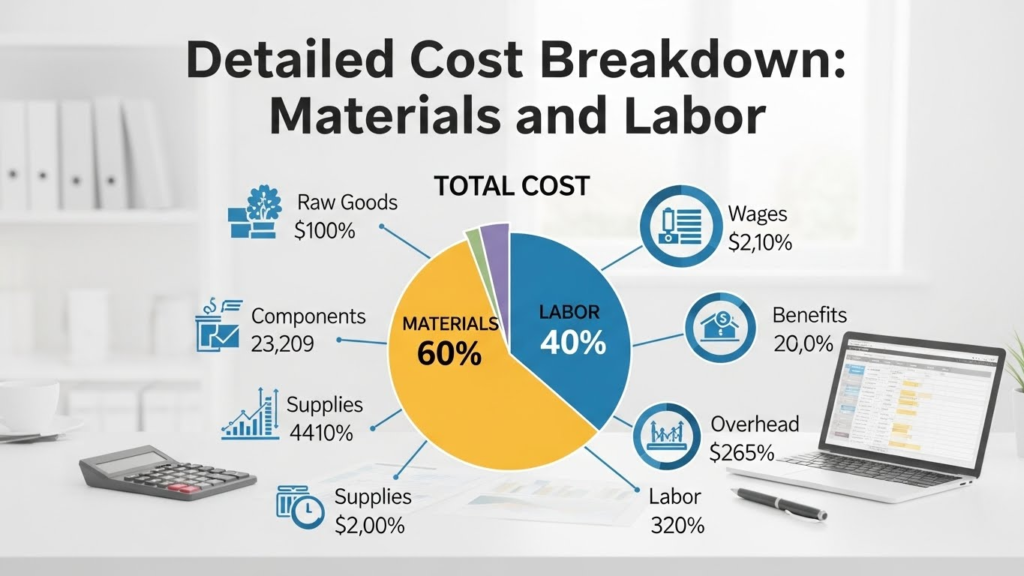
Understanding where your money goes is crucial for creating an accurate budget. The cost of remodeling a bathroom can be broken down into several key categories.
| Item/Service | Percentage of Budget | Average Cost Range |
|---|---|---|
| Labor | 40% – 60% | $2,000 – $15,000+ |
| Vanity & Countertop | 10% – 20% | $500 – $5,000+ |
| Shower/Tub | 10% – 15% | $500 – $8,000+ |
| Tile & Flooring | 7% – 10% | $400 – $3,500+ |
| Fixtures (Faucets, etc.) | 5% – 10% | $300 – $2,500+ |
| Toilet | 2% – 4% | $200 – $800 |
| Lighting & Ventilation | 3% – 5% | $250 – $1,500 |
| Painting & Drywall | 2% – 4% | $200 – $1,000 |
| Demolition & Permits | 1% – 3% | $150 – $750 |
Key Takeaways from the Breakdown:
- Labor is the Biggest Expense: Don’t underestimate labor costs. Always get multiple quotes from licensed and insured contractors.
- Vanities and Showers are Major Material Costs: These are focal points of the bathroom, and your choices here will heavily influence your budget. A simple acrylic tub is far cheaper than a custom-tiled walk-in shower.
- Small Items Add Up: Faucets, lighting, towel bars, and other accessories might seem small, but their costs can accumulate quickly. Budget for them individually.
How to Create Your Bathroom Renovation Budget
A well-planned budget is your best defense against overspending. Follow these steps to build a realistic financial plan for your project.
- Define Your Goals and Scope: Start by deciding what you want to achieve. Are you fixing a problem, updating the style, or creating a spa-like retreat? Be clear about what is a “must-have” versus a “nice-to-have.”
- Research and Gather Inspiration: Look at magazines, websites, and social media to find styles and products you like. Note the materials and features. This will help you communicate your vision to contractors and get more accurate quotes.
- Get Multiple Quotes: Contact at least three reputable general contractors. Provide each with the same detailed list of your requirements. This allows you to compare their estimates fairly. Make sure their quotes are itemized so you can see a breakdown of costs for labor and materials.
- Create a Detailed Spreadsheet: Use a spreadsheet to list all potential expenses. Include line items for every single component: vanity, countertop, sink, faucet, mirror, lighting, flooring, tile, grout, shower, tub, toilet, paint, ventilation fan, and all labor costs.
- Add a Contingency Fund: No renovation goes exactly as planned. Unexpected issues, like hidden water damage or outdated wiring, can arise once demolition begins. Set aside an extra 10% to 20% of your total budget as a contingency fund to cover these unforeseen costs. This will prevent financial stress and keep your project on track.

Tips for Saving Money on Your Bathroom Renovation
Even with a tight budget, you can achieve a beautiful and functional bathroom. Here are some proven strategies to help you save money without sacrificing quality.
- Keep the Existing Layout: As mentioned earlier, moving plumbing or electrical systems is expensive. Working with your bathroom’s current footprint is the single most effective way to lower labor costs.
- Do Some Work Yourself (If You Can): If you have the skills and time, handling tasks like demolition, painting, or even installing a new vanity can save you hundreds or even thousands in labor costs. Be realistic about your abilities; a poorly done DIY job can cost more to fix in the long run.
- Refinish Instead of Replace: If your tub, shower, or tile is in good structural condition but looks dated, consider reglazing or refinishing. This process can give them a like-new appearance for a fraction of the cost of replacement.
- Shop Smart for Materials: Look for sales at home improvement stores and check out salvage yards or online marketplaces for high-quality used or overstock items. A remnant piece of granite or quartz can be perfect for a small vanity countertop at a big discount.
- Choose Affordable Alternatives: You can get a high-end look without the high-end price tag. For example, luxury vinyl tile can mimic the appearance of expensive stone or wood for much less. Porcelain tile can be manufactured to look like marble but is more durable and affordable.
- Limit Your Use of Tile: Tiling an entire bathroom from floor to ceiling is expensive. Consider tiling only high-impact areas like the shower enclosure and the floor. You can paint the remaining walls to save money on both materials and labor.
By carefully planning your project, understanding the costs involved, and making smart choices, you can create the bathroom of your dreams. A well-executed renovation not only enhances your daily life but also represents a solid investment in your home.